

Fleas are often associated with warm weather, but winter does not eliminate flea activity. Instead, it changes where that activity occurs. As outdoor temperatures drop, fleas adapt by moving closer to reliable hosts and stable indoor environments. Pets play a central role in this shift, unknowingly transporting fleas into homes where conditions allow them to survive and spread.
Winter flea issues are frequently overlooked until itching, scratching, or bite patterns become obvious. By the time signs appear, flea populations may already be established in hidden indoor areas. Understanding how flea hotspots form during winter explains why flea control remains important year-round and why professional evaluation is often necessary for effective results.
How winter conditions influence flea movement
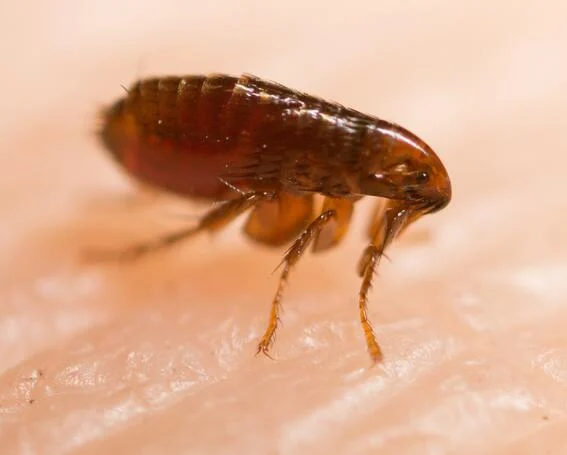
Cold weather alters flea behavior rather than stopping it. Fleas rely on hosts for warmth and mobility, making pets the primary vehicle for indoor migration during winter months.
- Outdoor flea populations concentrate near sheltered areas
- Fleas attach to pets seeking warmth and blood meals
- Reduced daylight limits outdoor flea movement
- Fleas prioritize environments with stable temperatures
When pets move between outdoor and indoor spaces, fleas gain direct access to carpets, furniture, and flooring. Winter conditions compress flea activity into fewer locations, which often increases infestation intensity once fleas settle indoors.
This shift explains why flea problems can feel sudden during winter, even when outdoor activity appears minimal.
Why do pets become primary flea carriers in winter
Pets provide fleas with everything they need to survive cold weather. Body heat, consistent movement, and access to indoor spaces make pets ideal hosts during seasonal transitions.
- Thick fur protects fleas from temperature changes
- Indoor resting areas allow fleas to drop off and reproduce
- Bedding and upholstery trap flea eggs and larvae
- Frequent pet movement spreads fleas across rooms
Fleas do not remain on pets at all times. Adult fleas feed on hosts, but eggs and larvae often fall into the surrounding environments. Over time, this creates multiple flea hotspots throughout the home, even if pets show limited symptoms initially.
Because winter flea activity is often dispersed rather than concentrated, infestations can expand quietly without immediate detection.
Common indoor flea hotspots during winter
Once fleas enter a home, they gravitate toward areas that support development and survival. These hotspots are often overlooked during colder months when pest activity is assumed to decline.
- Pet bedding, blankets, and crates
- Carpets and area rugs near resting areas
- Upholstered furniture where pets spend time
- Baseboards and floor edges that trap debris
- Low-traffic rooms with stable temperatures
Flea eggs and larvae thrive in areas where organic debris accumulates. Even clean homes can develop hotspots if pets regularly rest in the same locations. Winter heating systems further stabilize temperatures, allowing flea life cycles to continue indoors.
Addressing these hotspots is critical for effective flea control, as treating only visible symptoms often leaves underlying activity untouched.
Why winter flea infestations persist indoors
Winter flea problems often last longer because indoor environments remain favorable and undisturbed. Flea life cycles are slow but do not stop, allowing populations to rebuild over time.
- Consistent indoor temperatures support development
- Reduced outdoor exposure limits natural population disruption
- Fleas remain protected from environmental extremes
- Activity occurs below visible surfaces
Fleas can remain dormant at certain stages until conditions improve, then reemerge suddenly. This persistence explains why infestations may appear to resolve temporarily before returning.
Preventing reinfestation requires addressing both environmental conditions and access points. Evaluating how pets move through the home and how fleas gain entry plays a significant role. Resources such as a winter pest-proofing checklist help illustrate how seasonal preparation reduces indoor pest pressure, including flea activity.
The role of professional flea control in winter
Effective flea control requires more than addressing adult fleas. It involves understanding life cycles, identifying hotspots, and applying treatments safely across affected areas.
- Identification of hidden flea development zones
- Targeting multiple life stages simultaneously
- Reducing conditions that support flea survival
- Ensuring safe application around pets and people
Professional oversight ensures that flea control efforts are thorough and compliant with safety standards. Proper training and regulated practices help prevent incomplete treatment that can allow populations to rebound. The importance of qualified service is reinforced through guidance on safety and licensing standards, which explains why expertise matters when managing complex infestations.
Winter flea issues are often underestimated, but addressing them early limits spread and reduces long-term disruption. Professional flea control focuses on eliminating existing activity while preventing future hotspots from forming as seasons change.
Protect comfort when fleas move indoors.
We understand how winter conditions and pet activity contribute to indoor flea hotspots. For effective flea control and long-term protection, contact E&G Exterminators so we can help restore comfort and control throughout the colder months.