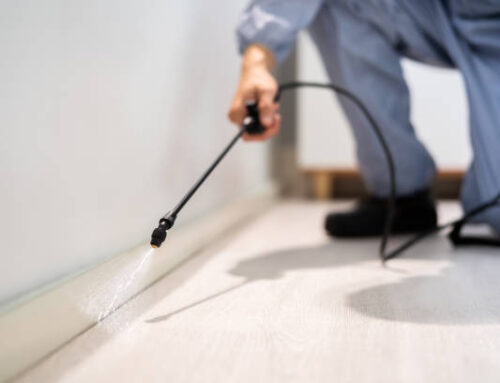


Elderly care homes need a higher level of pest awareness because residents may be more vulnerable to sanitation risks, bites, allergens, odors, and stress caused by pest activity. Seasonal change can quietly increase those risks. As temperatures rise, cool, or shift with moisture, pests begin looking for food, water, warmth, shelter, and protected nesting areas.
Pest control in elderly care environments should be planned, discreet, and prevention-focused. Ants, cockroaches, mice, rats, termites, bed bugs, mosquitoes, moths, millipedes, silverfish, boxelder bugs, and wasps can all create concerns in resident rooms, kitchens, laundry areas, storage closets, utility spaces, and exterior entry points. When the season changes, these pests may move indoors.

Warm Weather Increases Food, Moisture, And Insect Pressure
Spring and summer often bring more visible pest movement. Warmer conditions can increase ant trails, cockroach activity, mosquito presence near standing water, wasp activity near exterior structures, and bed bug concerns connected to visitors, belongings, or shared laundry movement. In care settings, even a small pest issue can spread concern quickly because many people use the same dining rooms, hallways, bathrooms, and sitting areas.
Common warm-season risk areas include:
- Kitchens. Food preparation, crumbs, grease, drains, and trash rooms can attract ants and cockroaches.
- Laundry. Linens, carts, and shared laundry routines can make bed bug monitoring important.
- Moisture. Leaks, condensation, floor drains, and damp utility rooms can support roaches, silverfish, and millipedes.
- Outdoors. Mosquitoes and wasps may increase around standing water, landscaping, and exterior seating.
- Entry. Doors, deliveries, and visitor traffic can bring pests closer to resident spaces.
Professional inspections help connect these activity points before they become resident-facing concerns.
Cold Weather Pushes Pests Toward Shelter
As temperatures drop, pests often move toward warmth and protected spaces. Mice and rats may search for entry points around foundations, loading areas, utility lines, and door gaps. Cockroaches may settle deeper into warm kitchens, mechanical rooms, and wall voids. Boxelder bugs may gather around warm exterior surfaces before slipping into cracks. Silverfish and millipedes may also appear indoors when outdoor conditions shift.
A practical pest checklist shows why sealing gaps, checking exterior conditions, and preparing before temperatures fall can reduce seasonal movement. In elderly care homes, winter preparation should be especially careful because pests can hide in low-traffic spaces and storage areas.
Cold-season warning signs include:
- Droppings. Rodent evidence near storage, kitchens, closets, or mechanical rooms should be addressed quickly.
- Gnawing. Damaged packaging, wiring, insulation, or baseboards may point to mice or rats.
- Odor. Musty or oily smells can suggest hidden cockroach or rodent activity.
- Clusters. Boxelder bugs may gather near sunny windows, siding, or wall gaps.
- Damage. Termite signs, moisture marks, or weakened wood should never be dismissed.
A one-time response may miss the larger entry pattern. Ongoing service helps identify how pests are using the building as conditions change.
Shared Spaces Require Hospitality-Level Monitoring
Elderly care homes operate differently from private residences. Dining rooms, lounges, medication areas, staff rooms, shared bathrooms, laundry spaces, and visitor entrances create many opportunities for pests to find resources. The setting also requires sensitivity because treatments must be planned around residents’ mobility needs, medical routines, and daily operations.
Facilities can learn from guest safety principles used in hospitality, where pest prevention protects comfort, reputation, and health standards. In elderly care homes, the resident-care environment makes early action even more important.
High-priority monitoring areas include:
- Dining. Food service zones need regular checks for ants, cockroaches, mice, and rats.
- Rooms. Resident belongings, beds, and upholstered furniture should be monitored for bed bugs.
- Storage. Paper goods, linens, and dry storage can attract moths, rodents, and roaches.
- Exterior. Wasps, mosquitoes, boxelder bugs, and entry-point pests should be watched near doors.
- Utilities. Warm, damp mechanical spaces can support hidden pest activity.
Professional pest control supports documentation, targeted treatment, and safer scheduling in sensitive environments.
Prevention Works Best When It Follows The Season
Seasonal pest management is not only about reacting when insects or rodents are seen. It involves reviewing conditions before pests become established. In spring, that may mean checking moisture, exterior thresholds, and kitchen sanitation. In summer, mosquito and wasp pressure may need closer monitoring. In the fall, entry-point sealing becomes more important. In winter, rodent and cockroach harborage areas deserve attention.
The best plan looks at the entire facility. A resident room may show a bed bug concern, but the source may involve luggage, furniture, laundry, or visitor movement. A cockroach sighting in a kitchen may connect to drains, wall voids, food storage, or moisture. Mouse activity near a storage room may point to a small exterior opening.
Consistent service helps reduce recurring concerns without disrupting daily care. It also gives staff clearer guidance on what to report, where to watch, and how to support long-term prevention.
Keep Resident Spaces Protected Through Every Season
Seasonal change can increase pest pressure before the problem becomes obvious. Elderly care homes benefit from professional inspections, targeted treatment, and prevention planning that respects resident safety and facility operations. For dependable pest control support, contact E&G Exterminators.