

When winter starts loosening its grip, wildlife behavior changes quickly. Spring thaws expose new food sources, soften frozen ground, and trigger breeding cycles. At the same time, homes develop seasonal vulnerabilities as materials expand, contract, and shift after months of cold weather. For many animals, that combination creates a perfect moment to move into a warm, quiet attic.
Attics mimic natural dens. They are sheltered, rarely disturbed, and often lined with insulation that holds heat. Once wildlife finds a reliable entry point, it can return repeatedly, especially during spring when nesting pressure increases. Understanding how spring thaws influence wildlife movement helps homeowners take early action and reduce the chance of an attic becoming a long-term shelter zone.
Why spring thaws increase wildlife activity
Spring thaw changes conditions outdoors in ways that push wildlife to move. Snowmelt reveals accessible trash areas, fallen seeds, and nesting materials. Warmer nights also increase travel as animals search for mates and suitable den sites.
Common attic invaders during spring include:
- Raccoons that climb and pry into roof edges, vents, and weakened soffits
- Squirrels that exploit small gaps near fascia boards and gable vents
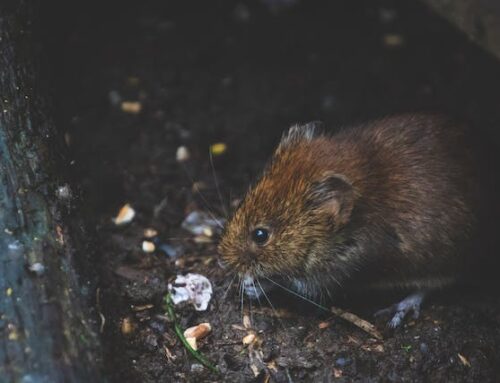
- Mice and rats that enter through openings as small as a quarter inch
- Bats that seek protected roosting spots in rafters and attic peaks
- Birds that squeeze into damaged vents or eave gaps and build nests inside
Spring also increases overlap. Wildlife movement rises at the same time many properties become more active outdoors, which can mask early signs. Homeowners often notice the problem only after scratching sounds or ceiling stains appear, but nesting activity usually begins earlier. Staying aware of broader seasonal risks can help, and this overview of early spring pest risks highlights why this season is a turning point for property vulnerability.
How wildlife exploits structural weak points
Homes naturally shift through winter. Ice buildup along gutters, wind-driven storms, and repeated freezing and thawing can stress vents, flashing, and roofline connections. When temperatures rise, those stressed seams may loosen just enough for wildlife to take advantage.
Common attic entry points include:
- Roof vents with damaged screens
- Gable vents without secure covers
- Gaps where soffits meet siding
- Loose fascia boards
- Chimney flashing that has shifted
- Gaps around utility lines
Wildlife does not need a wide opening to get started. Squirrels can enlarge soft wood through chewing. Raccoons can pull apart loose vent covers and fascia edges. Rodents follow scent trails and can use tiny gaps that are invisible from ground level.
Once access is established, repeated entry is common. Animals often return to known shelter locations, especially during breeding season. That is why early identification of access points is so important. A professional inspection can pinpoint the route of entry, the species involved, and the areas where damage is expanding.
What happens once wildlife gets inside the attic
Attic intrusions are rarely just a noise problem. Wildlife can create structural damage, health risks, and long-term energy efficiency issues. Many homeowners are surprised by how quickly the impacts develop once animals settle in.
- Chewing damage to electrical wiring increases fire risk.
- Insulation displacement lowers energy efficiency and causes uneven indoor temperature control.
- Droppings and urine contaminate insulation and air pathways, sometimes leading to odors and indoor air quality concerns.
- Parasites such as fleas and mites may spread from wildlife hosts into living spaces.
- Expanded entry points worsen over time, allowing additional animals or secondary pests to move in.
Raccoons may tear insulation to build nests. Squirrels can shred materials and enlarge gaps near rooflines. Rodents often create hidden runways through insulation and contaminate storage areas. Bats can leave guano buildup that requires careful handling.
These problems often remain hidden until the infestation becomes established. Once evidence is visible inside living spaces, significant attic contamination may already be present.
Why professional wildlife control is the safest route
Wildlife removal requires more than sealing a hole. Proper wildlife control involves species identification, safe exclusion, cleanup considerations, and structural reinforcement so the problem does not repeat. Attempting removal without training can create safety hazards and may lead to incomplete exclusion, especially during the spring nesting season.
Effective wildlife control involves:
- Confirming the species and its access route
- Using humane exclusion techniques to remove animals safely
- Securing entry points after removal to prevent reentry
- Cleaning and sanitizing contaminated attic areas when needed
- Reinforcing vulnerable roofline and vent zones
Spring is also a sensitive time because many animals have young. Improper sealing can trap juveniles inside or force animals into wall voids, creating a larger issue. Professional services follow established standards for safety and compliance, which is why understanding service safety protocols matters when choosing a solution.
A structured approach reduces the risk of repeat infestations and protects the home from escalating attic damage.
Preventing spring attic intrusions before they start
The most effective prevention strategy is early inspection and structural reinforcement. Spring is the ideal time to identify winter wear and address small issues before wildlife turns them into entry routes.
Recommended preventive measures include:
- Inspecting rooflines and vents after winter storms
- Installing reinforced vent covers
- Sealing gaps around soffits and fascia
- Trimming tree branches away from roof edges
- Securing chimney caps
- Repairing damaged shingles or flashing
Preventive work reduces the chance of wildlife establishing a nesting site. It also lowers the likelihood of secondary issues like insulation contamination and odor problems later in the season.
For many properties, ongoing monitoring is the difference between a one-time fix and a recurring cycle. When inspections are consistent, entry points are found early, and wildlife has fewer opportunities to test the structure.
Protect your attic before wildlife settles in
If you suspect attic activity or want to prevent spring intrusions, contact E&G Exterminators for professional wildlife control and a thorough attic inspection designed to safeguard your home.