

In hospitality, guest safety is not a single department’s responsibility. It is a property-wide standard that touches housekeeping, food service, maintenance, and front desk operations. Pest issues can compromise that standard quickly because many pests thrive in the same conditions that make hotels comfortable: steady warmth, reliable water, frequent food availability, and a constant flow of people and deliveries.
This is why professional pest control matters so much in hospitality environments. The goal is not to respond after a guest reports an issue. The goal is to prevent pests from reaching guest-facing areas in the first place, using a plan that is discreet, consistent, and aligned with how a property operates day to day.

Why hospitality properties face higher pest pressure
Hospitality properties present more opportunities for pests than most other building types. Even high-end properties can experience pest activity because the risk is tied to operational realities, not just cleanliness.
- High guest turnover increases introductions of pests, especially in rooms and luggage pathways.
- Commercial kitchens and food storage areas create strong attractants for ants, cockroaches, and flies.
- Laundry rooms and mechanical spaces produce humidity that supports moisture-driven pests.
- Trash and recycling staging zones can attract rodents and a range of crawling pests if pressure builds.
- Landscaping, exterior lighting, and entry doors create common access routes from outdoors to indoors.
When pest pressure is higher, timing becomes critical. A small issue can become a guest-facing problem fast if pests are allowed to establish themselves in voids, storage areas, or behind equipment. Consistent inspection and targeted treatment are designed to keep problems contained in back-of-house zones and away from rooms, lobbies, and dining areas.
Key pests hospitality teams must monitor
Hospitality pest control is most effective when the property knows which pests pose the greatest risk and where early warning signs appear. A professional plan focuses on pests commonly associated with health concerns, guest complaints, and operational disruption.
- Bed bugs can be introduced through guest luggage and spread if early signs are missed. Rapid reporting, thorough inspection, and careful room protocols help reduce escalation.
- Cockroaches often concentrate near warmth and moisture, including kitchens, dish areas, and utility zones. Infestations can remain hidden until pressure becomes significant.
- Ants can move quickly into kitchens, buffet lines, and storage areas when food residue and moisture are present. Trails often indicate an exterior source and an interior access point.
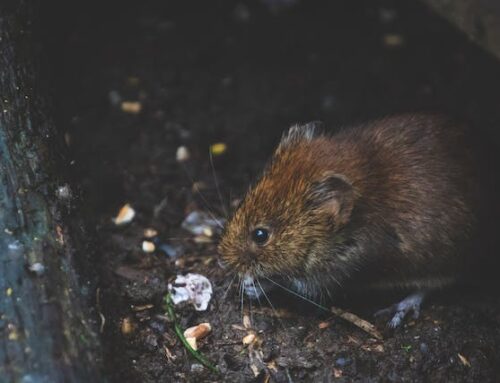
- Rodents such as mice and rats can contaminate storage areas, damage materials, and create serious audit issues if activity is found near food or guest areas.
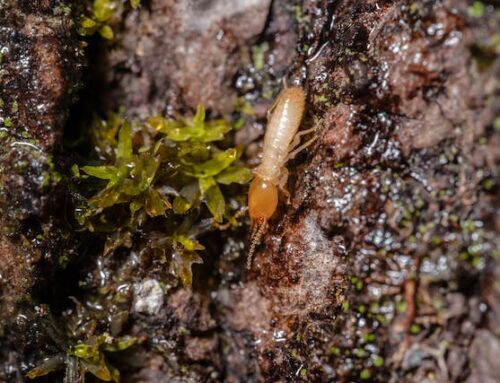
- Termites threaten structural integrity and are best managed with routine inspections and early intervention rather than late discovery.
- Mosquitoes can affect guest comfort and outdoor amenities, especially near landscaping and standing water zones.
- Stinging insects become a safety concern when nests form near entrances, patios, pool areas, and loading zones.
- Flying ants and small gnats can appear suddenly and create the impression of a larger problem, so correct identification and targeted response matter.
The strongest hospitality programs treat pest sightings as operational signals. When one pest appears, it often points to a condition that could support others, such as moisture, access gaps, or food handling patterns.
High-risk zones to inspect and protect first
Hospitality properties have predictable hot spots where pest pressure builds. Targeting these areas first helps reduce the chance of pest activity reaching guest rooms and public spaces.
- Guest rooms and corridors: These are high-sensitivity areas because the tolerance for pest activity is effectively zero. Inspection protocols should prioritize beds, upholstered furniture, baseboards, and housekeeping carts.
- Kitchens and food service areas: Even small sanitation gaps can support roaches, ants, and flies. Attention to floor drains, gaps behind equipment, and storage shelving is essential.
- Laundry and mechanical rooms: Warmth and humidity make these ideal support zones for pests that prefer moisture or sheltered voids.
- Storage, receiving, and loading docks: Deliveries and packaging can introduce pests, while clutter creates hiding places.
- Exterior perimeters and entrances: Doors, docking bays, and service entrances are constant access points, especially if sweeping and sealing are inconsistent.
Service structure matters here. A one-time visit may solve a current issue, but hospitality properties typically benefit from recurring inspection and prevention that keeps pressure from rebuilding. This quick comparison of one-time vs quarterly pest plans helps explain why ongoing service schedules often reduce repeat problems and guest-facing surprises.
What guest-safe pest prevention looks like in practice
Effective hospitality pest management is preventive, documented, and designed to minimize disruption. It also avoids approaches that create risk, such as visible overapplication or inconsistent service patterns. Guest-safe programs generally focus on four pillars: inspection, exclusion, targeted treatment, and reporting.
Inspection identifies early signs of pest pressure and tracks patterns across the property. Exclusion reduces entry by sealing gaps, improving door sweeps, and correcting structural vulnerabilities. Targeted treatment focuses on where pests travel and hide, rather than open guest areas. Reporting provides a record that supports health inspections and management decision-making.
Structural conditions often play a bigger role than many teams expect. For example, insulation voids and contaminated attic or crawl areas can become pest harborage zones that quietly feed recurring activity. This overview of insulation harboring risks explains why addressing hidden shelter zones can reduce long-term pest pressure, especially for rodents and other pests that prefer protected spaces.
When these systems work together, hospitality teams gain predictability. Instead of reacting to the next complaint, the property reduces the likelihood that pests reach guest-facing areas at all.
Turn prevention into a property standard
For a discreet, consistent professional pest control program built for hospitality environments, contact E&G Exterminators.