

Cockroaches are among the most persistent household pests, especially in urban and suburban environments where warmth, moisture, and food sources remain consistent year-round. Many homeowners attempt to manage infestations independently, only to find that activity resurfaces weeks or months later. Understanding the differences between professional cockroach control and DIY approaches helps clarify why certain infestations persist and when expert involvement becomes essential.
Cockroaches are highly adaptive insects. They hide in narrow spaces, reproduce quickly, and adjust behavior when exposed to repeated treatments. These traits make surface-level solutions unreliable, particularly once populations become established behind walls, appliances, or plumbing systems.
Why Cockroaches Are Difficult to Eliminate
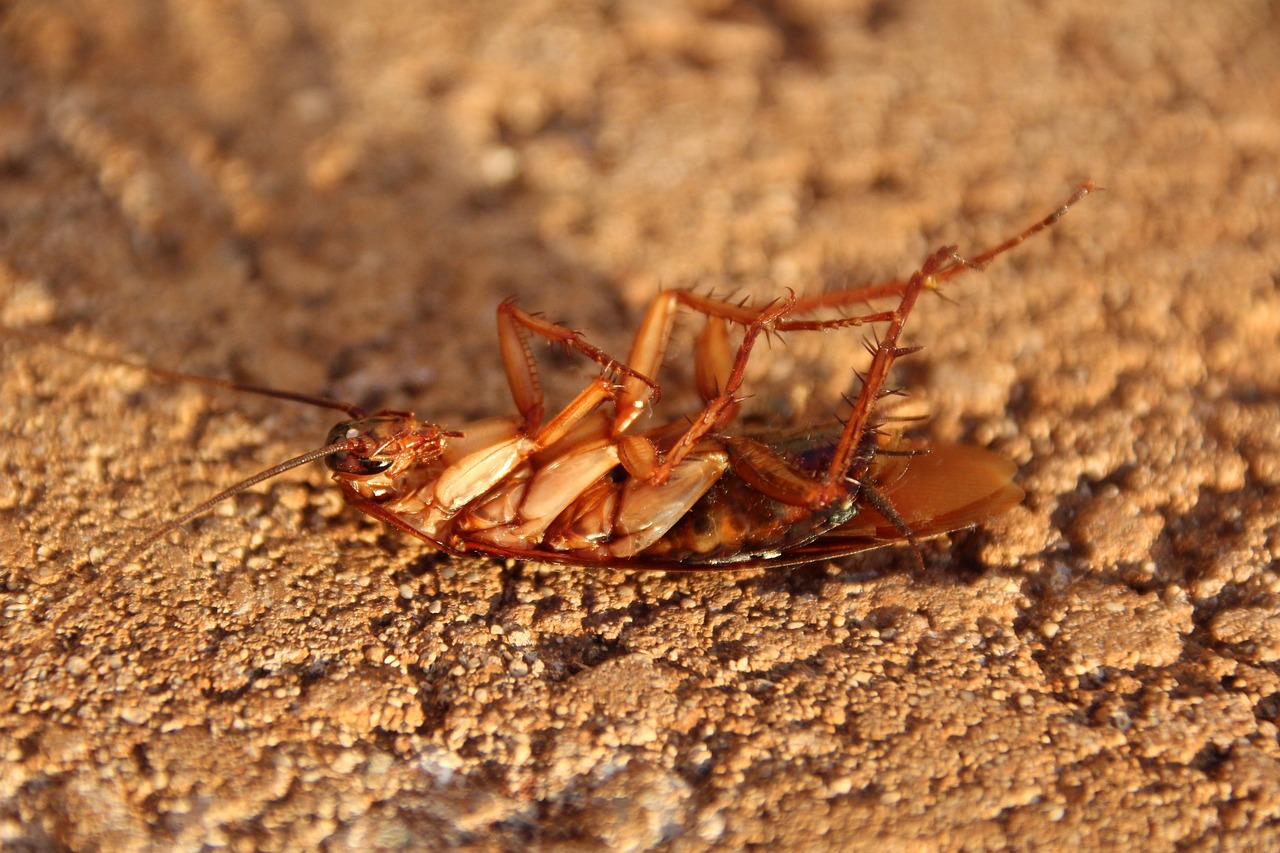
Cockroaches thrive in environments that provide darkness, moisture, and warmth. Kitchens, bathrooms, utility rooms, and shared walls often offer ideal conditions. While infestations may appear minor at first, visible roaches usually represent only a fraction of the population.
Several factors complicate control efforts:
- Cockroaches remain active at night, limiting detection
- Egg cases are protected and resistant to many surface products.
- Populations adapt quickly to repeated chemical exposure.
- Hidden harborages allow colonies to survive unnoticed.
As explained in our previous blog post on professional safety standards, effective pest control relies on more than product availability. Proper identification, placement, and application methods influence long-term results, especially with pests known for resistance and concealment.
Limitations of DIY Cockroach Control Methods
DIY solutions often focus on immediate visibility rather than long-term population reduction. Sprays, traps, and store-bought baits may reduce activity temporarily, but they rarely address nesting sites or breeding cycles.
Common limitations of DIY methods include:
- Inconsistent product placement that misses hidden harborages
- Overuse or misapplication that encourages avoidance behavior
- Lack of monitoring to track population changes
- Inability to reach wall voids or appliance interiors
Another concern is resistance. Repeated exposure to the same over-the-counter products can cause cockroach populations to adapt, making future treatments less effective. In some cases, improper use can push cockroaches deeper into structures, spreading activity into new areas.
DIY approaches also rely heavily on user judgment. Without training, it is difficult to determine whether activity has declined or simply shifted out of sight.
What Professional Cockroach Control Does Differently
Professional cockroach control focuses on understanding pest behavior, structure layout, and environmental conditions. Rather than relying on a single product or application, professionals develop layered strategies designed to interrupt life cycles and eliminate harborages.
Professional approaches typically include:
- Detailed inspections to locate nesting and travel routes
- Targeted treatments based on species behavior
- Controlled product placement to reduce resistance risk
- Follow-up assessments to confirm population decline.
In our article on seasonal pest preparation, the importance of prevention and monitoring is emphasized. This same principle applies to cockroach control, where long-term success depends on ongoing evaluation rather than one-time action.
Professionals also account for building design. Shared walls, plumbing lines, and appliance placement often influence how cockroaches move through a space. Addressing these factors reduces the likelihood of reinfestation.
Health and Environmental Considerations
Cockroaches are more than a nuisance. They are known to contaminate surfaces and contribute to indoor air quality concerns. Their presence is associated with allergic reactions and asthma symptoms, particularly in sensitive individuals.
Health-related risks include:
- Contamination of food and preparation surfaces
- Spread of bacteria through contact and droppings
- Accumulation of allergens from shed skins and waste
Professional pest control prioritizes safety and precision. Treatments are selected and applied with awareness of occupant exposure, ventilation, and usage patterns. This reduces unnecessary chemical contact while still achieving effective control.
DIY products, when misused, can introduce risks without delivering lasting results. Excessive application or improper placement may increase exposure while failing to reach the pests themselves.
When Expert Help Becomes Essential
There is a point where pest activity moves beyond surface-level inconvenience and becomes a structural, health, or safety concern. At this stage, expert involvement is not about convenience but about accuracy, efficiency, and long-term risk reduction. Many pests adapt quickly to changing conditions, and without a comprehensive evaluation, infestations can escalate quietly.
Expert help becomes essential when:
- Activity persists despite repeated efforts, indicating that pests are nesting, breeding, or traveling through concealed pathways that are not visible during routine checks
- Signs appear in multiple areas, such as recurring droppings, odors, or damage across rooms or levels of a structure, suggesting an established population rather than an isolated entry.
- Structural or utility damage emerges, including gnawed wiring, compromised insulation, or weakened materials that pose safety risks beyond pest presence alone.
- Health concerns increase, especially in environments with children, pets, or shared living spaces, where allergens, bacteria, and contamination can spread unnoticed.
- Seasonal shifts intensify behavior, as colder weather, drought, or increased rainfall push pests deeper into buildings, where detection becomes more difficult.
Professionals assess how pests move, where they settle, and why activity persists. This level of insight helps prevent repeated cycles of reinfestation and reduces the chance of overlooking contributing factors such as moisture buildup, structural gaps, or environmental pressure points. When pest activity reaches this stage, expert guidance helps restore stability and protects both the structure and the people inside it.
A Clear Path Toward Lasting Control
If cockroach activity continues despite repeated efforts, it may be time to seek expert guidance. Contact E&G Exterminators to schedule a professional evaluation and gain a clearer understanding of how to protect your space effectively and responsibly.