

As temperatures begin to rise, gardens come back to life. Unfortunately, early spring insects emerge just as quickly. These pests take advantage of fresh plant growth, moisture, and warming soil, making gardens especially vulnerable during this time of year. Without a clear plan, minor insect activity can develop into widespread damage before it is fully noticed.
Insect control in early spring is not only about reacting to visible pests. It is about anticipating activity based on seasonal patterns. Many of the pests commonly addressed in professional services, such as ants, termites, mosquitoes, and other insects, begin increasing their activity as soon as conditions allow. Taking action early helps protect plant health and maintain a more stable outdoor environment.

Why Early Spring Insects Target Gardens
Early spring creates ideal conditions for insects to feed, reproduce, and expand their presence. Young plants are particularly attractive because they are easier to damage and provide the nutrients insects need.
- New Growth attracts insects seeking soft plant material
- Moist Soil supports breeding and nesting activity
- Warmer Temperatures increase feeding and movement
- Limited Predators allow populations to grow quickly
These conditions combine to create a window where insect activity can accelerate. Once populations become established, controlling them becomes more complex. This is why early intervention is an important part of effective insect control.
Common Early Spring Insects That Cause Damage
Many of the pests that appear in early spring are already present in the environment, waiting for the right conditions to become active. These insects can affect both plants and nearby structures.
- Ants build colonies near garden beds and may spread into surrounding areas
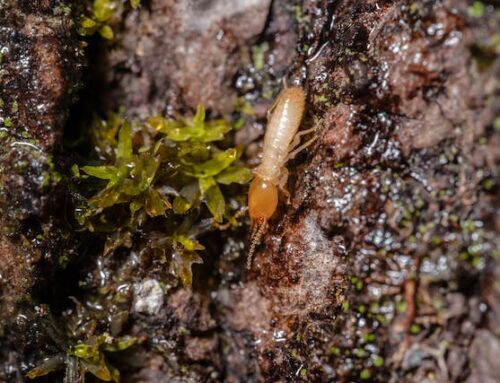
- Termites target wood and organic materials, posing a risk beyond the garden
- Mosquitoes breed in standing water and increase quickly after rain
- Other Insects feed on leaves, stems, and roots, affecting plant growth
While some insects cause visible plant damage, others create indirect problems. For example, ants can indicate deeper issues related to nesting or structural concerns. Understanding how these pests behave helps guide more effective control strategies.
For instance, learning about carpenter ant risks highlights how certain insects can affect both outdoor and structural areas.
Signs Your Garden Needs Immediate Attention
Early detection is one of the most important factors in managing early spring insects. Recognizing signs of activity allows for faster response and helps limit damage.
- Wilting Plants despite proper watering
- Chewed Leaves or irregular holes in foliage
- Increased Insect Activity around soil and plant bases
- Standing Water that attracts breeding insects
These signs often appear before damage becomes severe. Addressing them early helps prevent insects from spreading to other parts of the garden or nearby areas.
Gardens are connected environments. Once insects establish themselves in one section, they can quickly move to others. This is why consistent monitoring is an important part of maintaining control.
Effective Insect Control Strategies for Spring
Successful insect control involves a combination of prevention, monitoring, and targeted treatment. Each step supports the overall goal of reducing insect activity while protecting plant health.
- Remove Standing Water to limit mosquito breeding
- Maintain Plant Health to reduce vulnerability to pests
- Clear Debris where insects may hide or nest
- Monitor regularly to identify changes in activity
While these steps help reduce risk, they are most effective when combined with a structured treatment plan. Professional strategies often focus on both current activity and potential problem areas, ensuring that control efforts remain consistent throughout the season.
Ongoing care also plays a role in maintaining results. Understanding how different service approaches compare can provide helpful insight, as seen in these routine pest service options.
Why Professional Support Strengthens Results
Managing early spring insects requires more than surface-level treatment. Many pests remain hidden in soil, under debris, or within nearby structures. Without a complete understanding of their behavior, it is easy for infestations to return.
Professional insect control focuses on identifying the source of the problem and applying targeted solutions. This approach helps reduce unnecessary treatment while improving overall effectiveness.
In addition, professionals consider environmental factors such as weather patterns, soil conditions, and surrounding areas. These factors influence how insects move and reproduce, making them an important part of any control strategy.
A well-planned approach provides more consistent results over time. Instead of reacting to visible activity, it addresses the conditions that allow insects to thrive.
Give your garden the protection it deserves
Early spring insects can affect more than just the appearance of your garden. They can disrupt plant growth, create ongoing pest issues, and lead to larger problems if left unmanaged. Taking a proactive approach helps reduce these risks and supports a healthier outdoor space.
For those looking to maintain effective and reliable insect control, professional guidance offers a more complete solution. Contact E&G Exterminators to get started.