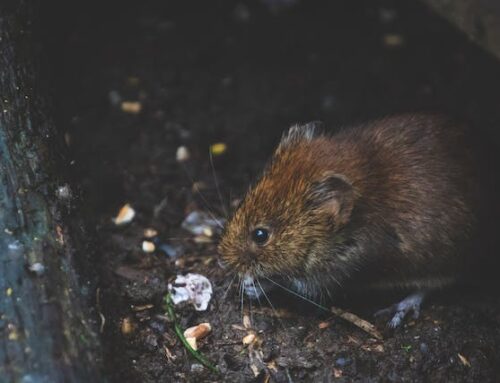


As winter fades and temperatures begin to rise, rodent activity shifts in noticeable ways. Spring is not just a season of renewal for plants and landscapes. It is also a period of increased movement, breeding, and expansion for rodents that have spent colder months seeking shelter indoors.
Understanding rodent behavior during this transition is essential for identifying early warning signs and preventing infestations from becoming more established. Rodents are highly adaptive, and their behavior changes in response to environmental conditions, food availability, and nesting opportunities.

Increased Movement and Exploration Indoors
During early spring, rodents often become more active as they search for new food sources and nesting areas. While some may begin moving outdoors, many remain inside structures where conditions are stable and resources are accessible.
This increased movement can lead to more visible signs of activity. Rodents may explore areas they previously avoided, making their presence easier to detect.
- Noises in walls, ceilings, or under floors, especially during quiet hours
- Increased sightings of rodents in kitchens, storage areas, or basements
- Movement along baseboards or behind appliances
- Tracks or smudge marks along commonly used pathways
These behaviors often indicate that rodents are not just passing through but actively exploring and expanding their territory.
Nesting and Breeding Activity Accelerates
Spring marks the beginning of peak breeding season for many rodent species. As temperatures rise, rodents focus on establishing secure nesting areas where they can reproduce and raise offspring.
Indoor environments provide warmth, protection, and consistent access to food, making them ideal for nesting. Materials such as insulation, paper, and fabric are often used to build nests in hidden spaces.
- Accumulation of shredded materials in secluded areas
- Increased activity in attics, wall voids, or storage spaces
- Presence of young rodents as populations grow
- Expansion of nesting sites across multiple areas
This stage of rodent behavior can lead to rapid population growth if not addressed early.
Gnawing and Structural Impact Becomes More Noticeable
Rodents constantly gnaw to maintain their teeth, which continue to grow throughout their lives. In spring, as activity increases, this behavior becomes more noticeable and can lead to structural concerns.
Gnawing may occur on wood, wiring, insulation, and other materials, creating both visible damage and hidden risks. Electrical wiring is particularly vulnerable, which can lead to safety issues within the property.
- Chewed wires, cables, or plastic components
- Damage to wood framing, baseboards, or stored items
- Entry points widened through repeated gnawing
- Debris or wood shavings near affected areas
This behavior highlights the importance of early detection and intervention.
Interaction With Other Seasonal Pest Activity
Rodent behavior does not occur in isolation. Spring also brings increased activity from other pests, creating an environment where multiple issues may develop at the same time.
Properties that experience rodent activity may also attract insects such as ants, cockroaches, or stinging insects. These pests often share similar environmental preferences, including access to food, moisture, and shelter.
As discussed in our recent article on early spring pest risks, seasonal changes can lead to overlapping pest activity that requires a broader approach to management.
Why Early Recognition of Rodent Behavior Matters
Identifying rodent behavior early in the season can significantly influence the outcome of pest management efforts. Small signs often indicate larger underlying activity that has not yet become visible.
Rodents are known for their ability to remain hidden while expanding their presence within a structure. By the time clear signs appear, the infestation may already be well established.
A proactive approach focuses on recognizing behavioral patterns and responding before the situation escalates. This includes understanding how rodents move, where they nest, and how they interact with their environment.
Additionally, rodents can contribute to health concerns by carrying pathogens that affect indoor environments. In our resource on pest related health risks, the connection between pest activity and health considerations becomes more apparent.
Recognizing how these factors interact helps create a more complete understanding of spring pest activity.
Properties that address these signs early are better positioned to avoid more extensive damage and disruption. Professional evaluation plays a key role in this process, providing a level of insight and accuracy that supports effective solutions.
Take Control Before Activity Expands
Spring rodent behavior signals a period of increased activity that can quickly develop into larger concerns if left unaddressed. Recognizing these patterns is the first step toward maintaining a controlled and stable environment.
For thorough inspections and reliable pest management solutions, connect with E&G Exterminators and take a more informed approach to protecting your home.