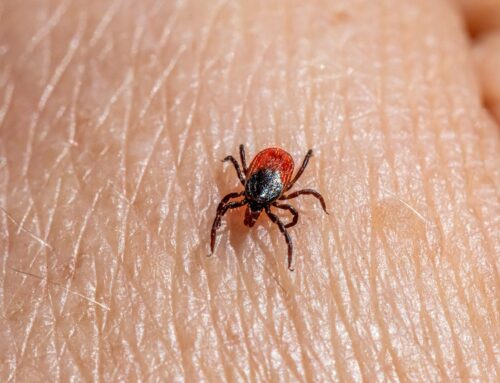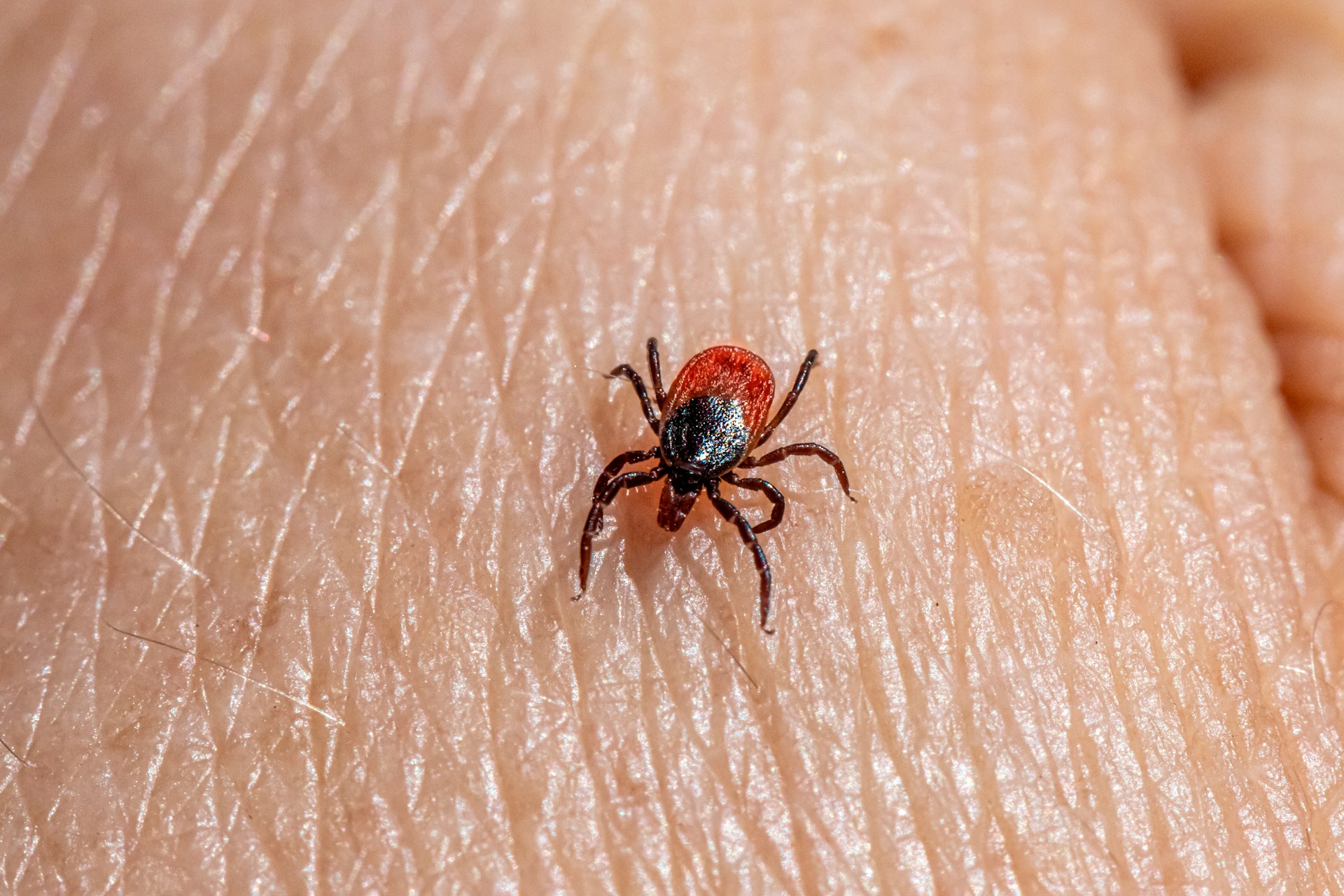


Fleas and ticks are often noticed late because their early signs are easy to dismiss. A pet scratching more than usual, dark specks in bedding, or a tick found after yard time may seem isolated. Those clues can point to a larger problem developing in carpets, furniture, shaded turf, crawl spaces, kennels, or resting areas.
Fleas can multiply indoors where pets rest, while ticks often stay connected to outdoor vegetation, wildlife movement, and edge zones near the home. Effective tick control starts by reading these patterns correctly, then connecting interior activity with outdoor conditions that keep pests active.
Small Clues Around Pets And Fabrics
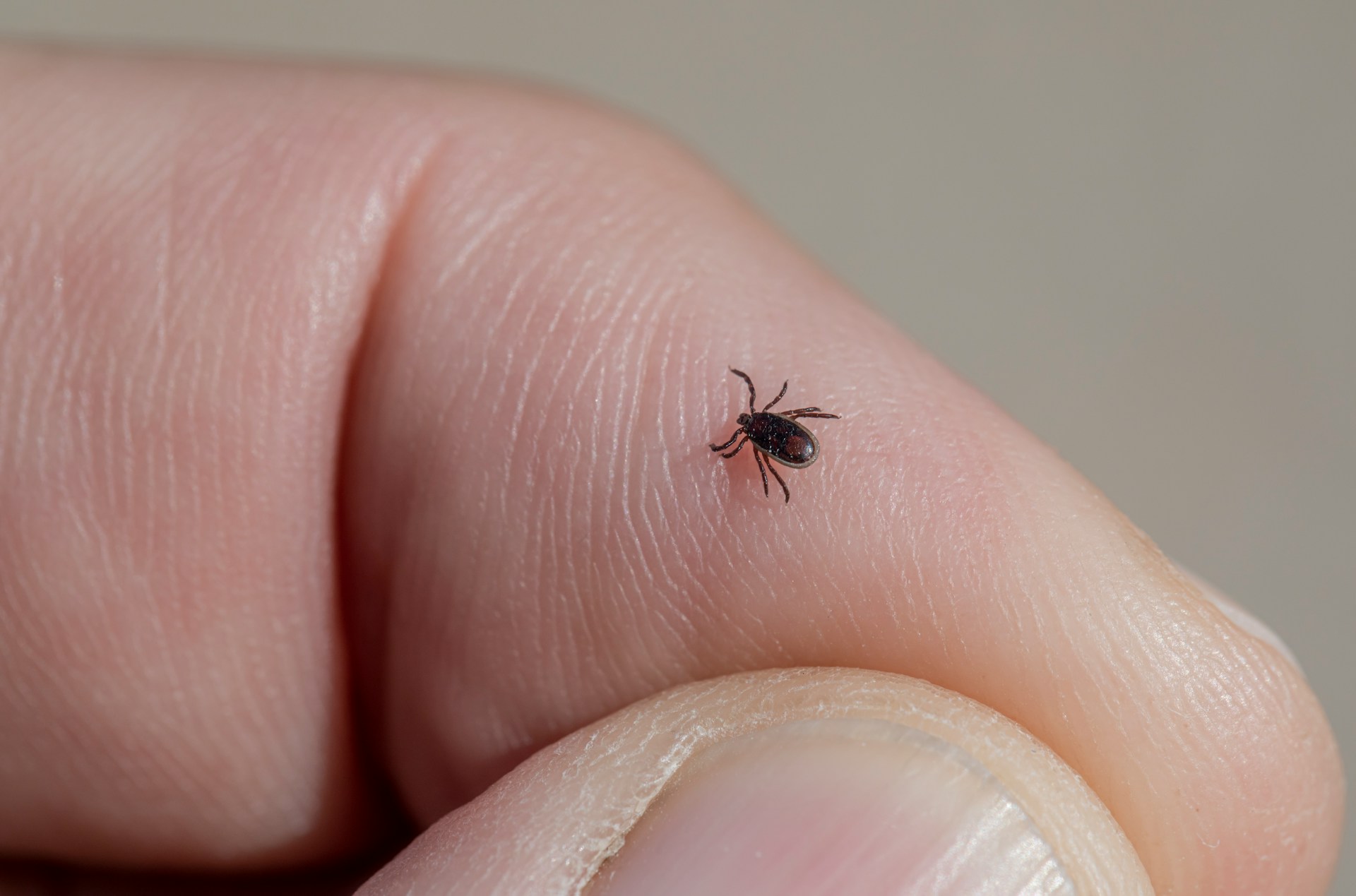
Pets are often the first place people notice flea or tick activity, but they are rarely the only concern. Fleas can drop eggs into bedding, rugs, upholstery, and cracks near resting spots. Ticks may attach after time spent near shrubs, tall grass, leaf litter, or wooded edges, then be carried inside on pets, clothing, or gear.
Watch for early signs such as:
- Scratching, licking, biting, or restlessness after normal outdoor time
- Dark specks on pet bedding, rugs, sofas, or blankets
- Small bites around ankles, legs, waistbands, or sock lines
- Ticks found near pet ears, collars, paws, or skin folds
- Increased pest activity after visits from wildlife or neighborhood pets
These signs should not be viewed as separate problems. A pet-related clue can lead to a carpet issue, an outdoor pressure point, or a wildlife pathway. Gardens and landscaped edges can support pest movement when seasonal insects become active. This makes spring garden pests a useful reminder that plant beds, soil, and yard conditions influence more than ornamental plants.
Why Fleas And Ticks Stay Hidden
Fleas and ticks are small, patient, and easy to overlook until activity becomes uncomfortable. Fleas develop through life stages, which means adults may be only part of the concern. Eggs, larvae, and pupae can remain tucked into protected indoor areas. Ticks, on the other hand, often wait in shaded outdoor zones where moisture and host movement help them survive.
Professional inspections look beyond the most obvious areas because hidden activity can build up in places that are not checked closely. Indoors, this may include pet beds, baseboards, carpet edges, upholstered furniture, and rooms where pets sleep. Outdoors, it may include shaded fence lines, wood piles, leaf litter, low branches, tall grass, and areas where rodents, squirrels, or other wildlife pass through.
A one-time reaction often misses the bigger pattern. Fleas may continue emerging from protected stages even after adults are reduced. Ticks may keep arriving from untreated outdoor zones, especially when wildlife or overgrown vegetation remains nearby. The safest plan identifies where activity is developing and applies the right service where it can make the most difference.
Property Conditions That Raise Risk
Hidden flea and tick problems often grow from property conditions that provide shelter, moisture, and access to hosts. Even a clean home can develop pressure when pets, wildlife, or outdoor resting sites connect pests to indoor spaces. Warm weather, dense landscaping, and shaded areas can make those conditions more active.
Common risk factors include:
- Pet bedding, crates, or soft furniture used daily
- Shaded turf, tall grass, and overgrown fence lines
- Crawl spaces, decks, sheds, or garages where animals pass through
- Rodent or wildlife activity near foundations or storage areas
- Guest rooms, rentals, or shared spaces where pest concerns spread unnoticed
These concerns are not limited to homes. Hotels, rentals, offices, and other high-traffic properties may need a formal inspection process because pest issues affect comfort and safety expectations. The same principle behind guest safety applies at home: early detection, clear documentation, and professional treatment decisions help reduce the chance of a small issue becoming disruptive.
Why Professional Assessment Improves Results
Flea and tick service works best when the inspection separates symptoms from sources. Seeing one tick does not always mean the same thing as finding repeated ticks near pets. A few bites may point to fleas, but the source may be a favorite resting spot, a carpeted room, or animal activity under a deck. Professionals use these details to decide where to inspect, how to treat, and when follow-up may be necessary.
A careful plan may include:
- Identification of whether fleas, ticks, or another pest is involved
- Inspection of pet areas, resting zones, carpets, and outdoor edges
- Targeted application in activity zones instead of random treatment
- Attention to wildlife, rodents, and moisture conditions that support activity
- Follow-up guidance based on pest biology and property conditions
This measured approach helps avoid wasted effort and reduces the chance of treating only what is visible. It also supports long-term prevention by connecting the indoor signs with outdoor pressure. When activity involves pets, guests, children, or shared living spaces, that accuracy becomes especially important.
Stop Hidden Activity Before It Spreads
Fleas and ticks are easier to manage when signs are taken seriously early. If scratching, bites, pet-area specks, or repeated tick sightings suggest a hidden problem, contact E&G Exterminators for professional inspection and service.