


Seeing one cockroach in a kitchen, bathroom, basement, or office may seem like a minor problem. However, cockroaches are nocturnal, skilled at hiding, and able to survive in narrow spaces that are rarely inspected. A single sighting can therefore indicate that additional roaches are already using nearby cracks, appliances, drains, storage areas, or wall voids.
Effective roach control begins with identifying where activity is concentrated and what conditions are helping the infestation persist. Food residue, moisture, cardboard, clutter, and plumbing access can all support cockroaches. Professional inspection is important because visible insects represent only part of the problem. Eggs, immature roaches, and hidden adults may remain out of sight while the population continues to grow.
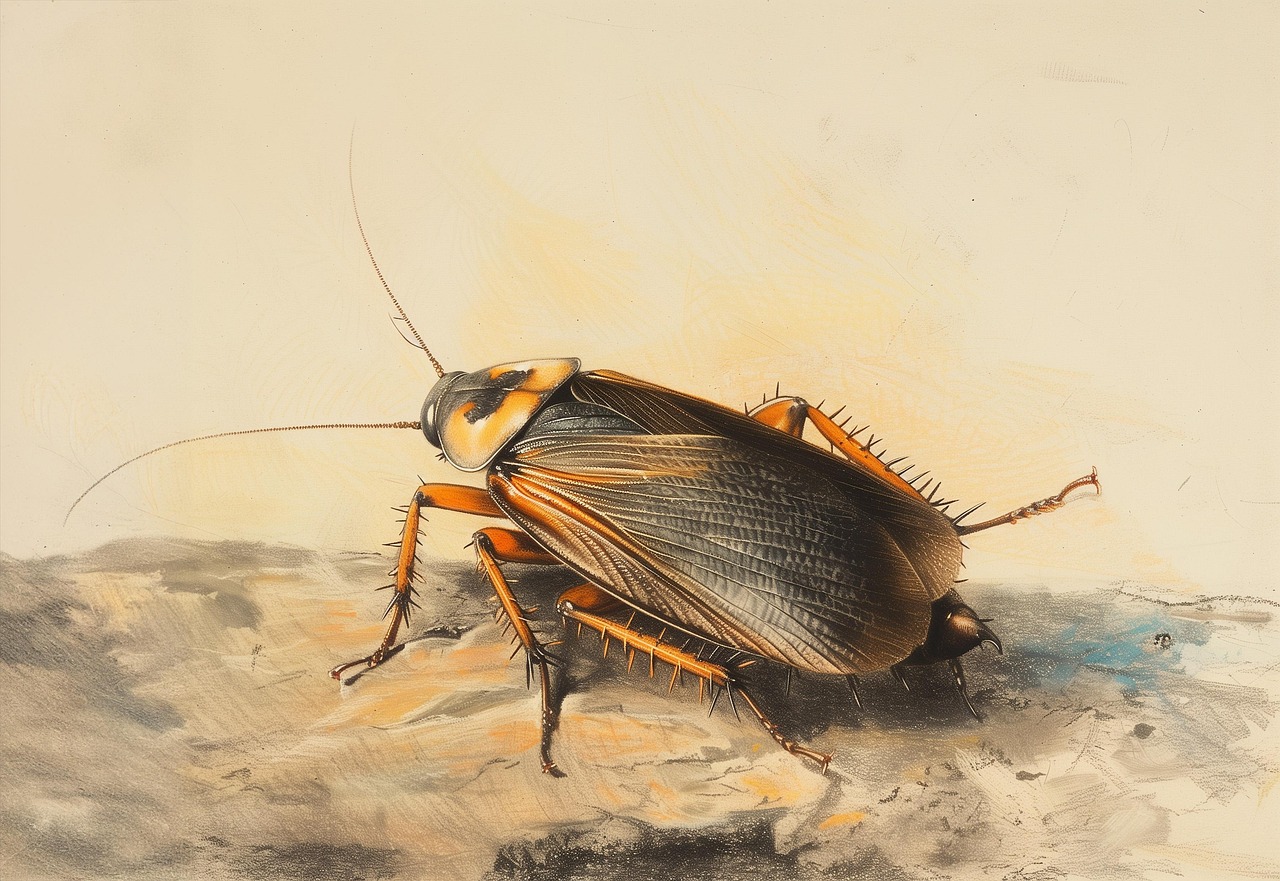
One Roach Can Point To A Larger Hidden Population
Cockroaches spend much of their time in protected harborages and usually become more visible when populations increase, food becomes scarce, or hiding areas are disturbed. German cockroaches often gather near kitchens and bathrooms, while American cockroaches may be associated with basements, drainage areas, sump rooms, and other moist locations.
Warning signs worth taking seriously include:
- Droppings appearing near cabinets, appliances, sinks, or storage areas
- Egg cases or shed skins found in protected cracks and corners
- Nighttime activity around kitchens, bathrooms, or utility spaces
- Musty odors developing where activity becomes more concentrated
- Roaches appearing during daylight when they normally remain hidden
Warm weather can increase movement and make indoor conditions more attractive when water, food, and shelter are available. Understanding warm-weather roach pressure helps explain why small sightings should not be dismissed as random.
Professional inspection helps determine whether the insect entered accidentally or whether an established infestation is already present. That distinction affects how quickly treatment should begin and which areas need attention.
Small Infestations Can Affect Sanitation And Health
Cockroaches are more than an unpleasant sight. They can move through drains, garbage areas, damp utility spaces, and other unsanitary environments before traveling across counters, cabinets, food-storage areas, or pet-feeding zones. Their movement can contribute to contamination concerns, while cockroach debris and body parts may also aggravate allergies in sensitive individuals.
A complete evaluation may focus on:
- Food residue beneath appliances or inside hard-to-reach cabinet spaces
- Plumbing leaks, condensation, or drains that provide dependable moisture
- Cardboard, paper bags, and clutter that create protected hiding places
- Gaps around pipes, walls, and cabinetry that connect multiple rooms
- Pet-food areas or open containers that provide a consistent food source
Ignoring early activity gives roaches more time to reproduce and spread. German cockroaches in particular can multiply rapidly under favorable indoor conditions. Once they occupy several rooms or adjoining units, treatment becomes more complex because technicians must account for connected harborages rather than one isolated location.
This is why sanitation alone is usually not enough. Cleaning can remove food and shelter, but an active infestation may still require targeted baiting, treatment of cracks and crevices, and follow-up to confirm that hidden populations are declining. In multi-unit settings, neighboring spaces may also need evaluation when activity suggests roaches are moving through shared walls, plumbing routes, or utility chases.
Early Professional Control Helps Prevent Wider Spread
Roach control is most efficient when treatment begins before the infestation expands into multiple rooms or neighboring spaces. Offices, apartment buildings, restaurants, and other shared properties can be especially vulnerable because plumbing lines, wall voids, deliveries, break rooms, and storage areas may connect separate parts of the building.
Professional control may include:
- Identifying the cockroach species before selecting treatment methods
- Placing targeted baits where roaches are actually feeding and traveling
- Treating cracks, crevices, and protected harborages that broad cleaning cannot reach
- Monitoring activity after treatment to detect surviving or newly hatched roaches
- Recommending sanitation or structural corrections that reduce repeat pressure
Commercial properties face additional concerns because even a small sighting can affect employee confidence, customer perception, and food-safety expectations. Guidance on office cockroach risk shows why shared kitchens, break rooms, storage areas, and utility spaces deserve regular attention.
Follow-up is important because cockroach eggs may remain protected from some treatments until they hatch. A property can look quiet for several days while immature roaches are still developing. Monitoring helps determine whether the population is truly declining or whether another treatment point needs attention.
Long-term prevention also depends on reducing the conditions that support cockroaches. Moisture should be investigated, food should remain properly stored, and unnecessary cardboard or paper clutter should be minimized. Sealing gaps around plumbing and other penetrations can also limit movement between rooms.
The main danger of ignoring a small sighting is not the single insect itself. It is the possibility that the visible roach represents a larger hidden population. Early inspection, targeted treatment, and follow-up make it easier to control activity before contamination concerns, repeated sightings, and wider spread become harder to manage.
Stop A Small Sighting From Becoming A Bigger Problem
If you are seeing cockroaches indoors, contact E&G Exterminators for professional roach control focused on inspection, targeted treatment, monitoring, and long-term prevention.