

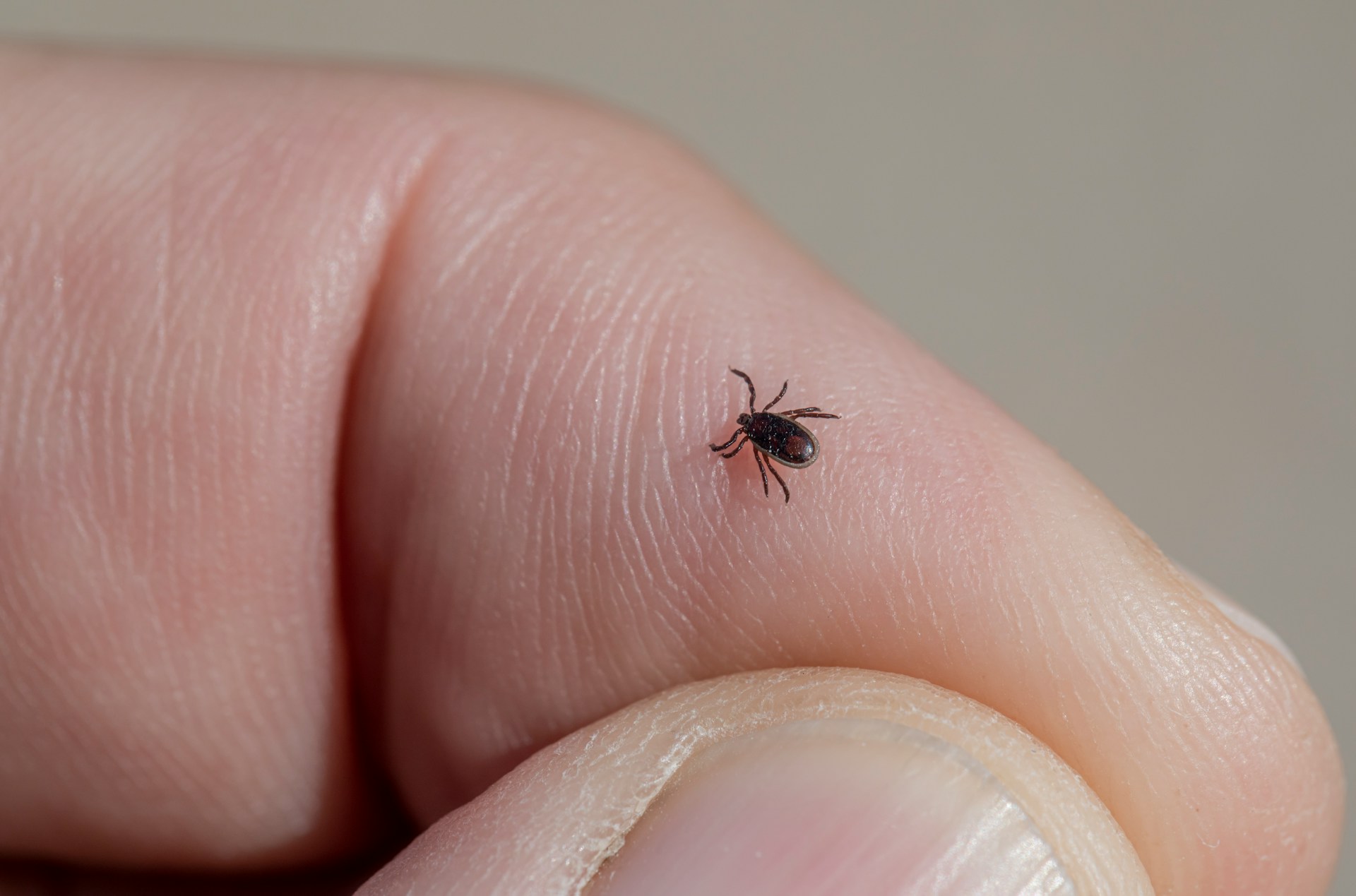
Tick activity may slow when temperatures drop, but it never fully stops. Many homeowners assume that winter brings complete relief from ticks, yet these pests often remain active during brief warm spells or survive by hiding in sheltered environments. Because ticks rely on wildlife movement, shaded areas, and moisture, winter becomes a surprisingly important season for consistent tick control.
Even in colder months, ticks can attach to pets, rodents, or other small wildlife seeking warmth near homes. When combined with structural vulnerabilities or outdoor clutter, winter becomes an opportunity for ticks to linger undetected. Understanding their behavior helps homeowners create a safer environment before the spring resurgence begins.
How Winter Conditions Influence Tick Survival
Ticks respond strongly to microclimates. While cold temperatures suppress activity, they rarely eliminate it. Moisture, shade, and insulation from organic material can protect ticks from harsh conditions, allowing them to remain dormant yet viable throughout winter.
- Leaf piles and dense yard debris retain warmth and moisture
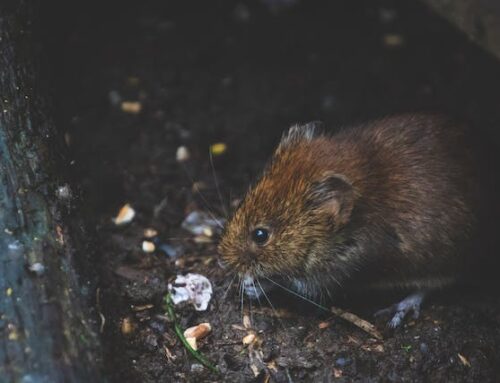
- Rodents entering structures may carry ticks inside
- Temperature spikes during mild days temporarily increase activity
Winter preparedness becomes more effective when supported by structured seasonal habits. A great starting point is reviewing a practical winter pest checklist to pinpoint vulnerabilities that often go unnoticed. This reinforces your defenses as colder weather approaches and strengthens your tick protection plan.
Habitat Reduction for Better Winter Defense
Reducing outdoor environments that support tick survival is one of the most effective winter strategies. This season provides clear visibility across the yard and easier access to areas normally concealed by summer vegetation.
- Remove leaf litter, heavy organic debris, and overgrown brush
- Store firewood off the ground and away from exterior walls
- Trim vegetation to reduce shaded, moist locations
- Seal gaps that rodents use to access sheds or garages
Since ticks often rely on wildlife movement to survive winter, minimizing these habitats helps limit overwintering populations. Addressing these areas now also prevents pests like mice or raccoons from nesting near the home, ultimately reducing the chances of ticks finding indoor environments once temperatures rise.
Winter landscaping changes do more than control current tick presence. They also reshape the conditions that typically attract pests during mild periods, decreasing the likelihood of early spring infestations. Removing clutter, improving airflow around the foundation, and maintaining trimmed perimeters make your yard less inviting for hosts that unknowingly carry ticks. By treating habitat reduction as a seasonal routine, homeowners stay ahead of pests that continue surviving quietly through winter.
The Importance of Winter Monitoring
Winter monitoring is frequently overlooked because many believe tick threats pause until spring. However, subtle signs of pest activity during colder months often indicate hidden risks. Homes that experience early rodent or wildlife movement may unknowingly invite ticks indoors.
Effective winter monitoring includes:
- Checking pets after every outdoor walk
- Inspecting basements, crawl areas, and utility spaces
- Watching for mild days when ticks may briefly reactivate
- Observing small signs of rodents that transport ticks
Ongoing seasonal assessments offer stronger protection when combined with consistent maintenance routines. Many homeowners who benefit from structured programs understand the value of quarterly pest plans, especially during unpredictable winter fluctuations that influence tick behavior.
Safety Considerations for Families and Pets
Ticks continue to pose risks even during winter. Pets exploring the yard or walking through wooded or shaded areas can still encounter ticks on warmer days. Regular grooming and close inspection help reduce the chance of unnoticed attachments.
For household safety, winter clothing can also carry ticks indoors when fabric brushes against vegetation. While bites are less common during the coldest months, the risk remains whenever temperatures temporarily increase. Staying informed and attentive supports a safer environment for families, especially those with young children or pets that frequently go outdoors.
Understanding how ticks enter a home is essential. Wildlife visitors, rodents, and other pests often serve as carriers during winter when they search for shelter. Early action prevents these pests from establishing themselves and reduces the chance of ticks thriving indoors.
Building a Strong Long-Term Winter Strategy
A proactive winter strategy combines environmental cleanup, regular monitoring, and preventive habits that continue even when pest activity appears minimal. Winter becomes the ideal time to reinforce these measures before spring arrives.
Effective long-term planning includes:
- Thorough yard cleanup
- Inspecting and sealing entry points
- Continued seasonal monitoring
- Professional assessment when early signs appear
With shifting weather patterns becoming increasingly common, preparing ahead ensures your home remains protected year-round. Since winter pest activity can be subtle, expert insights make a noticeable difference in preventing problems that might otherwise go undetected until spring.
A Smart Step Toward Safer Winters
If you want expert help strengthening your winter tick control strategy, reach out to E&G Exterminators for professional support tailored to your home’s needs.