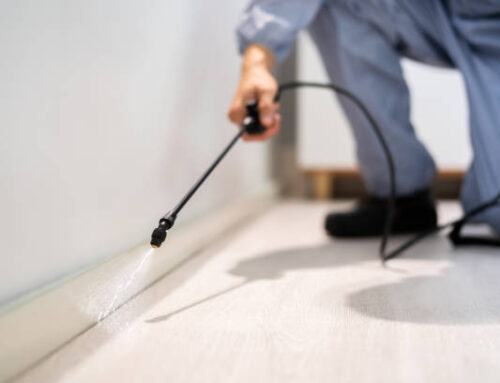


A mouse sighting near a supply closet raises different questions in a medical building than it would in an ordinary office. Who uses the room? Could nearby materials be contaminated? How can the problem be investigated without disrupting appointments or patient care? We help New Jersey healthcare facilities approach those questions systematically. Professional pest management is not simply about removing an insect or rodent. It is about identifying the activity, protecting sensitive spaces, and coordinating prevention with the people responsible for daily operations.
Protect Patients Without Interrupting Care
Hospitals, nursing homes, and other healthcare settings bring together people with different levels of vulnerability. Some residents have limited mobility, while patients may be recovering from procedures or managing illnesses. Pest activity also affects employees who handle supplies, prepare meals, and maintain shared areas. The response needs to reflect these differences rather than treating the entire property like an empty building.
We encourage facility managers to examine where pests could create the greatest practical concerns:
- Patient rooms: Investigate suspected bed bugs carefully, since evidence may be confused with ordinary skin irritation.
- Food service areas: Check for rodents, cockroaches, and accessible food residues near storage and preparation zones.
- Supply rooms: Keep packaging intact and report droppings or gnaw marks before questionable materials are distributed.
- Laundry spaces: Inspect carts, storage shelves, and adjoining areas when staff report unexplained insect activity.
- Waiting areas: Document sightings discreetly and avoid disruptive responses that could alarm visitors unnecessarily.
Our article on healthcare pest risks explores how moisture and building conditions can affect activity. No single sighting establishes a building-wide infestation. We inspect the evidence, consider the location, and help the facility determine which actions are appropriate. Staff should follow their infection prevention procedures when contamination is suspected. We also encourage managers to distinguish evidence that requires immediate containment from a maintenance concern that can be corrected through ordinary scheduling. This prevents disruption.
Find the Conditions That Let Pests Persist
A clean examination room does not guarantee that the loading entrance, waste area, or utility corridor is equally protected. Pests often exploit connections between spaces that different departments manage. A damaged door sweep may belong to facilities maintenance, while an overflowing waste container requires a separate operational correction. Effective commercial pest control connects these observations instead of leaving them as isolated complaints.
Several inspection priorities are especially useful in healthcare buildings:
- Exterior doors: Look for damaged seals and openings around frequent delivery or staff entrances.
- Plumbing routes: Report leaks and accessible gaps around pipes, especially near kitchens and utility rooms.
- Waste collection: Keep receptacles closed and address spills without allowing refuse to accumulate outdoors.
- Storage practices: Leave reasonable access for inspection rather than stacking supplies against every wall.
- Staff reporting: Record dates, locations, and photographs when possible so recurring patterns become clear.
In New Jersey, seasonal shifts can affect where pests seek shelter, but temperature alone does not explain a particular infestation. Our guide to commercial pest trends discusses why early observations matter. We use those details to examine accessible entry routes and harborage areas, then recommend corrections that address the actual conditions found. Repair records help technicians and facilities staff understand what has already changed.
Plan Treatments Around Healthcare Requirements
A treatment that works in an unoccupied storage building may be unsuitable for a room receiving patients throughout the day. Healthcare properties need coordinated access, careful product selection, and clear communication between the pest professional and facility representatives. Integrated Pest Management, or IPM, supports this approach by combining inspection, sanitation, physical exclusion, monitoring, and targeted treatments where necessary.
Before service begins, we recommend agreeing on a practical process:
- Identify contacts: Assign a facilities or infection prevention representative to share site restrictions and recent findings.
- Prioritize locations: Separate confirmed activity from possible risk conditions so responses match the evidence.
- Coordinate timing: Schedule access around care routines, occupied rooms, and any required room preparations.
- Review methods: Discuss monitoring, exclusion, and treatment options according to the area and applicable product instructions.
- Track results: Compare follow-up findings with earlier reports and document unresolved maintenance concerns.
We offer commercial pest services for elderly and healthcare centers and describe IPM as part of our approach. That does not mean every room receives the same treatment or that any product is automatically appropriate around patients. Decisions should reflect the pest identified, the use of the space, and facility policies. Preventive inspections remain important even when there are no visible insects, because overlooked building conditions can allow activity to return.
Make Pest Prevention Part of Patient Care
Healthcare teams already manage countless details that affect the experience of patients, residents, and visitors. Pest prevention deserves a dependable place in that routine. E & G Exterminators can assess reported activity, examine conditions around your New Jersey facility, and discuss a commercial pest management plan suited to its operations. Contact our team to arrange a consultation before a small warning sign interrupts the care your staff works hard to provide.