


Bed bugs are difficult to manage because they hide in narrow spaces, move easily with belongings, and can survive long periods without feeding. Incomplete treatment can disturb an infestation without eliminating it.
Effective bed bug control requires accurate inspection, careful treatment, and follow-up to confirm that activity has stopped. Surface-level efforts may reduce visible insects temporarily, but they can also leave hidden bugs and eggs untouched.
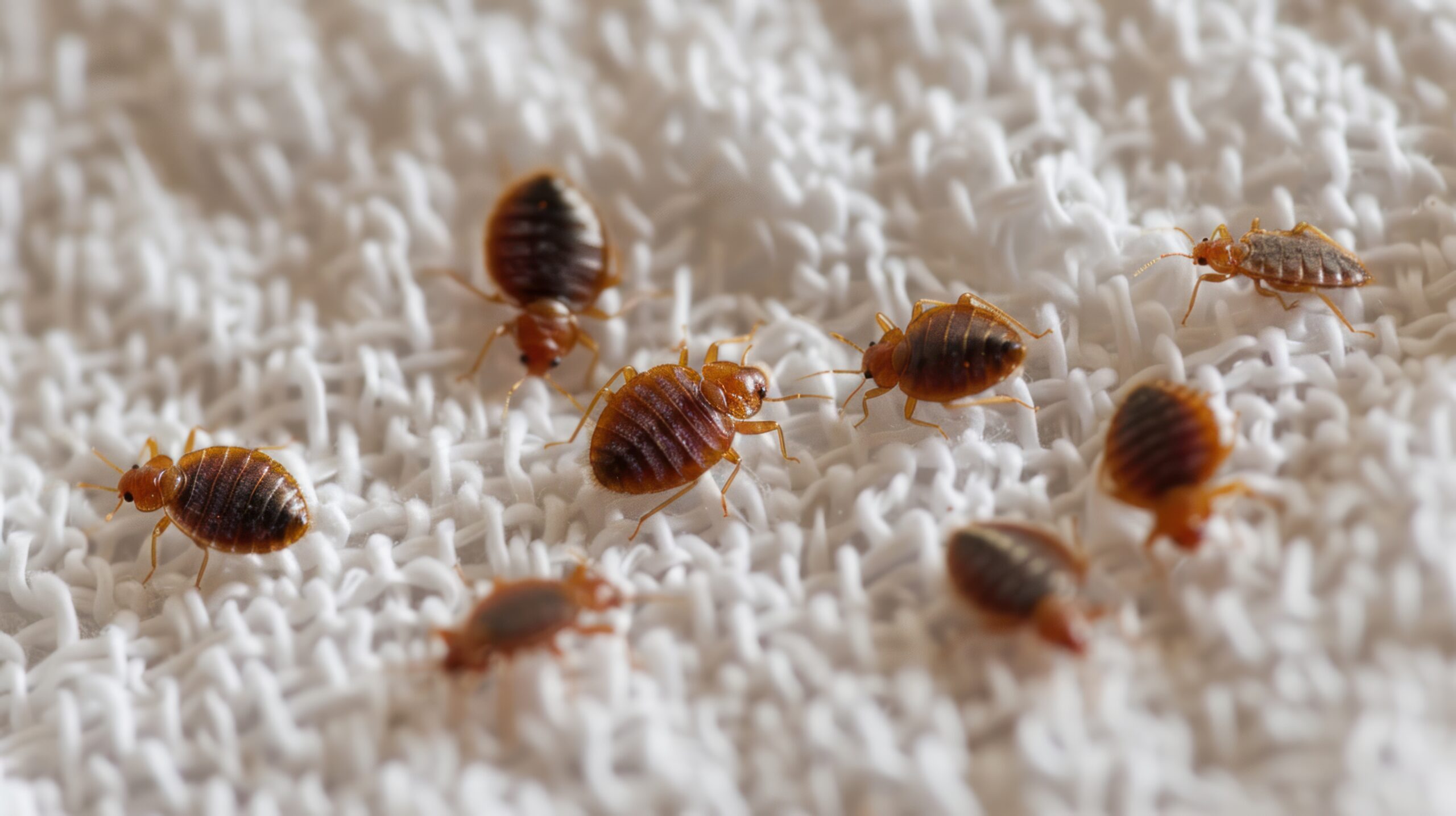
A bedbug colony visible on a white bed sheet in a bedroom when viewed from the top.
Surface Treatments Rarely Reach Every Hiding Place
Bed bugs spend much of their time concealed close to where people sleep or rest. They can hide in mattress seams, bed frames, baseboards, furniture joints, wall cracks, and other tight spaces that are difficult to inspect without experience.
Common reasons surface treatments fall short include:
- Limited reach into deep cracks and furniture joints
- Missed eggs protected inside hidden harborages
- Uneven application across affected rooms
- Failure to identify activity beyond the bed
- Temporary reduction that creates false reassurance
- Untreated belongings that continue carrying bed bugs
A few dead insects do not prove the infestation is gone. Guidance on bed bug elimination also emphasizes that hidden bugs can remain inside mattresses, furniture, wall cracks, and nearby belongings even after obvious signs decrease.
Disturbing Bed Bugs Can Push Them Into New Areas
Bed bugs can spread when their hiding places are disrupted. Moving mattresses, furniture, clothing, or bedding from one room to another may transport insects or eggs to previously unaffected areas. Sleeping in a different room can also change where hungry bed bugs search for a host.
This is one reason do-it-yourself efforts can make an infestation more complicated. When treatment is applied only to visible locations, surviving bugs may remain concealed or relocate into nearby furniture, wall voids, closets, or adjoining rooms.
Discarding furniture without proper precautions can create the same problem. Bed bugs hidden in a mattress, bed frame, or upholstered chair may drop off as the item is moved through the home. New furniture can then become infested if the underlying problem remains.
Professional inspection helps establish which rooms and items are affected before anything is moved or treated.
Bed Bug Eggs And Hidden Life Stages Can Survive
An infestation includes more than the adult insects people are most likely to notice. Eggs and immature bed bugs can remain hidden in protected locations, allowing activity to continue even after visible adults have been reduced.
Incomplete treatment may leave behind:
- Eggs attached inside seams, joints, or narrow cracks
- Young bed bugs that are difficult to see
- Adults hidden away from treated surfaces
- Secondary harborages in sofas, chairs, and nearby furniture
- Activity in rooms that were never inspected
- Bed bugs concealed inside personal belongings
This makes one-time treatment especially unreliable. Bed bugs that survive can continue feeding and reproducing, while newly hatched insects may create the impression that the problem has suddenly returned.
Professional bed bug control accounts for different hiding locations and life stages rather than focusing only on what can be seen during a quick inspection.
Repeated DIY Attempts Can Delay Effective Treatment
Another major limitation of do-it-yourself treatment is the time lost while the infestation continues developing. Bed bugs reproduce and spread quietly, so several weeks of unsuccessful attempts can allow a localized issue to become much more difficult to manage.
Recurring bites, new activity in other rooms, continued spotting, or bugs appearing after treatment are signs that the infestation may extend beyond its original location. These specialist warning signs indicate that a more structured evaluation may be necessary.
Professional technicians look for patterns rather than isolated sightings. Inspection can reveal whether bed bugs are limited to one sleeping area or have moved into furniture, closets, adjoining rooms, or shared structural spaces.
The earlier the true extent of the infestation is identified, the easier it is to build treatment around the areas that actually require attention.
Reliable Bed Bug Control Requires A Complete Strategy
Bed bug control works best when inspection, treatment, preparation, and follow-up are handled as parts of one coordinated process. The objective is not simply to kill exposed insects, but to eliminate hidden activity while limiting opportunities for further spread.
A complete strategy may include:
- Detailed inspection of beds, furniture, and surrounding rooms
- Identification of active harborages and likely movement routes
- Targeted treatment based on infestation severity
- Careful preparation of bedding and personal belongings
- Measures that reduce accidental spread during treatment
- Follow-up inspection to confirm whether activity remains
Professional treatment may use more than one method depending on the situation. The important point is precision. Bed bugs are persistent enough that guessing where they are hiding or applying treatment without a complete inspection can prolong the problem.
When signs continue after repeated attempts, seeking experienced help can prevent more disruption and provide a clearer path toward full elimination.
Stop The Infestation Before It Spreads Further
If bed bugs keep returning or have begun appearing beyond the original area, contact E&G Exterminators for professional bed bug control built around careful inspection, targeted treatment, and follow-up.