

As temperatures begin to rise across New Jersey, pest activity increases rapidly. After a long winter, insects and rodents that have been dormant or hidden inside structures become active again. Moist soil, blooming landscapes, and fluctuating temperatures create ideal conditions for spring pests to emerge.
Early spring is a transitional period. During this time, pests search for food, water, and shelter. Homes provide stable environments that attract a wide range of species. Understanding which pests become active and how they behave during this season helps homeowners take informed action before small problems grow into larger infestations.
Why Early Spring Brings Increased Pest Activity
Winter does not eliminate pests. Many survive by nesting inside wall voids, insulation, crawl spaces, or underground burrows. As soon as temperatures rise, they begin moving.
Environmental factors that contribute to increased pest pressure include:
- melting snow that creates excess moisture around foundations
- warming soil that stimulates insect breeding cycles
- rain that drives ground-dwelling pests indoors
- longer daylight hours that expand foraging activity
Spring pests are especially active because food sources become available again. Rodents resume outdoor feeding. Ant colonies begin expanding. Termites prepare for the swarming season.
This seasonal shift makes early inspection essential. Identifying vulnerabilities before pest populations peak allows for more controlled and effective intervention.
Ants, Termites, and Early Season Structural Threats
Some of the most concerning spring pests in New Jersey are those that threaten structural integrity. Ants, including carpenter ants, and termites become particularly active as soil warms.
Homeowners may notice:
- small piles of sawdust-like debris near wooden structures
- winged insects emerging near windows or doors
- mud tubes along foundation walls
- increased ant trails in kitchens or basements
Carpenter ants can tunnel through damp wood, while termites feed on structural materials silently over time. Early detection significantly reduces repair costs and long-term damage.
Spring swarming events are especially important to monitor. Swarmers indicate nearby colonies that may already be established within or near the structure. Professional inspection can distinguish between nuisance insects and species that pose structural risks.
Rodents and Wildlife After Winter Shelter
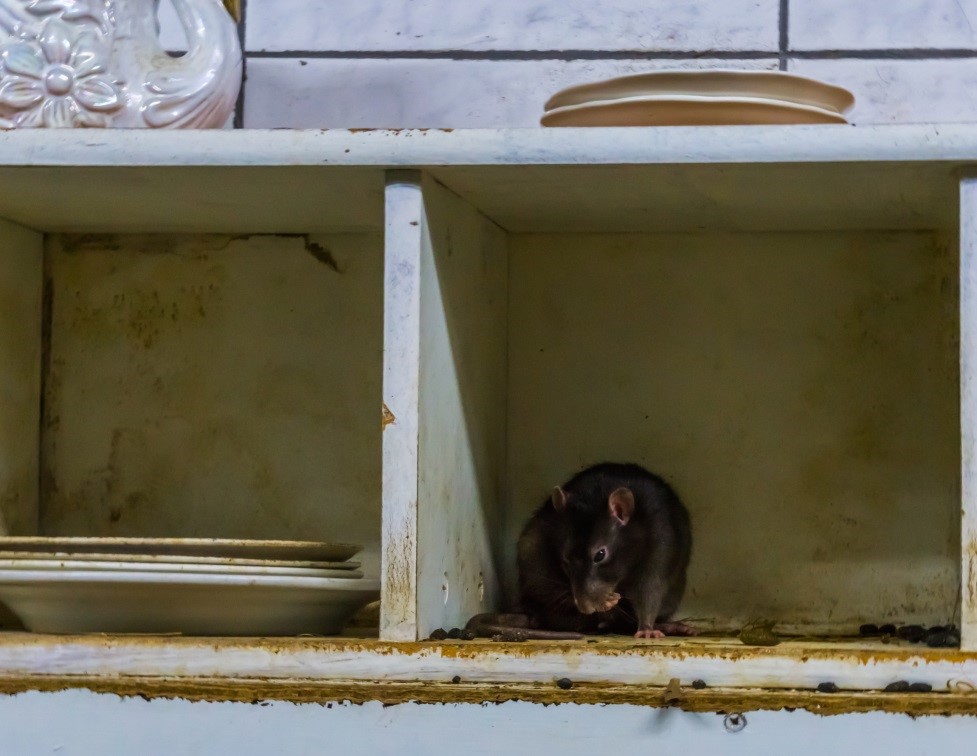
Rodents and certain nuisance wildlife species often seek warmth inside homes during colder months. When spring arrives, some may remain inside if food and shelter are readily available.
Common signs of rodent activity include:
- scratching sounds in walls or ceilings
- droppings in storage areas
- chewed insulation or wiring
- nesting materials in attics
Rodents can spread bacteria and damage property. In addition to mice and rats, early spring can also bring wildlife activity as animals look for nesting locations.
Addressing these issues requires more than removal. Entry points must be identified and sealed to reduce repeat intrusions. When pests have nested in attics, insulation can become contaminated and continue to attract activity. Homeowners who want to understand why this matters can read about the role of insulation removal benefits in reducing pest harborage and improving long-term prevention.
A thorough inspection helps connect the dots between what is visible and what may be hidden behind walls, in attic spaces, or under floors.
Moisture-Driven Insects and Millipedes
Spring rainfall increases soil moisture, which encourages certain insects to migrate indoors. Millipedes and other moisture-driven invaders frequently show up in basements, laundry areas, and lower levels of homes during this season.
These pests are commonly drawn inside by damp foundations, mulch that holds moisture against exterior walls, poor drainage, and humid crawl spaces. While millipedes are not known for structural destruction, sudden indoor activity often signals moisture conditions that support other pests as well.
If you are seeing these intruders around doors, lower walls, or basement floors, it helps to know what separates occasional sightings from a larger issue. This guidance on millipede indoor signs explains what to look for and why targeted treatment and moisture control matter.
Moisture management is one of the most important ways to reduce spring pests overall. When drainage and ventilation are addressed early, pest pressure often decreases across multiple species.
Spiders, Stinging Insects, and Emerging Colonies
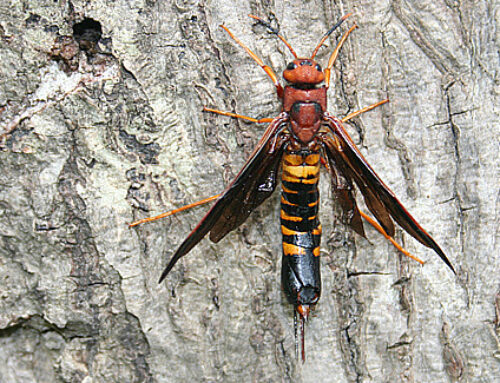
As insect populations rise in spring, spiders and stinging insects follow. Spiders become more visible as they hunt, while wasps and hornets begin forming nests in protected locations such as eaves, soffits, sheds, and garages.
Early spring pest concerns in this category often include:
- spider webs in corners and undisturbed areas
- wasp nests beginning under rooflines
- increased insect activity around exterior lighting
- stinging insect sightings near landscaping
Although many of these pests play roles outdoors, nesting close to entrances, patios, and high-traffic areas can create safety risks. Addressing nests early prevents colonies from expanding as temperatures continue to rise.
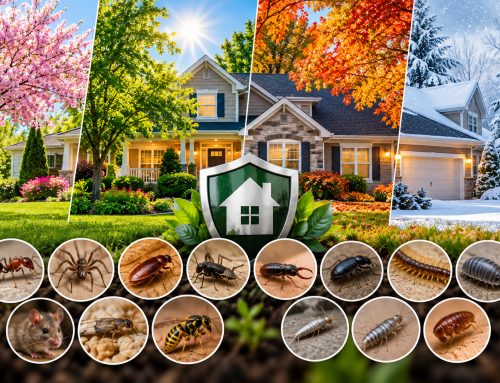
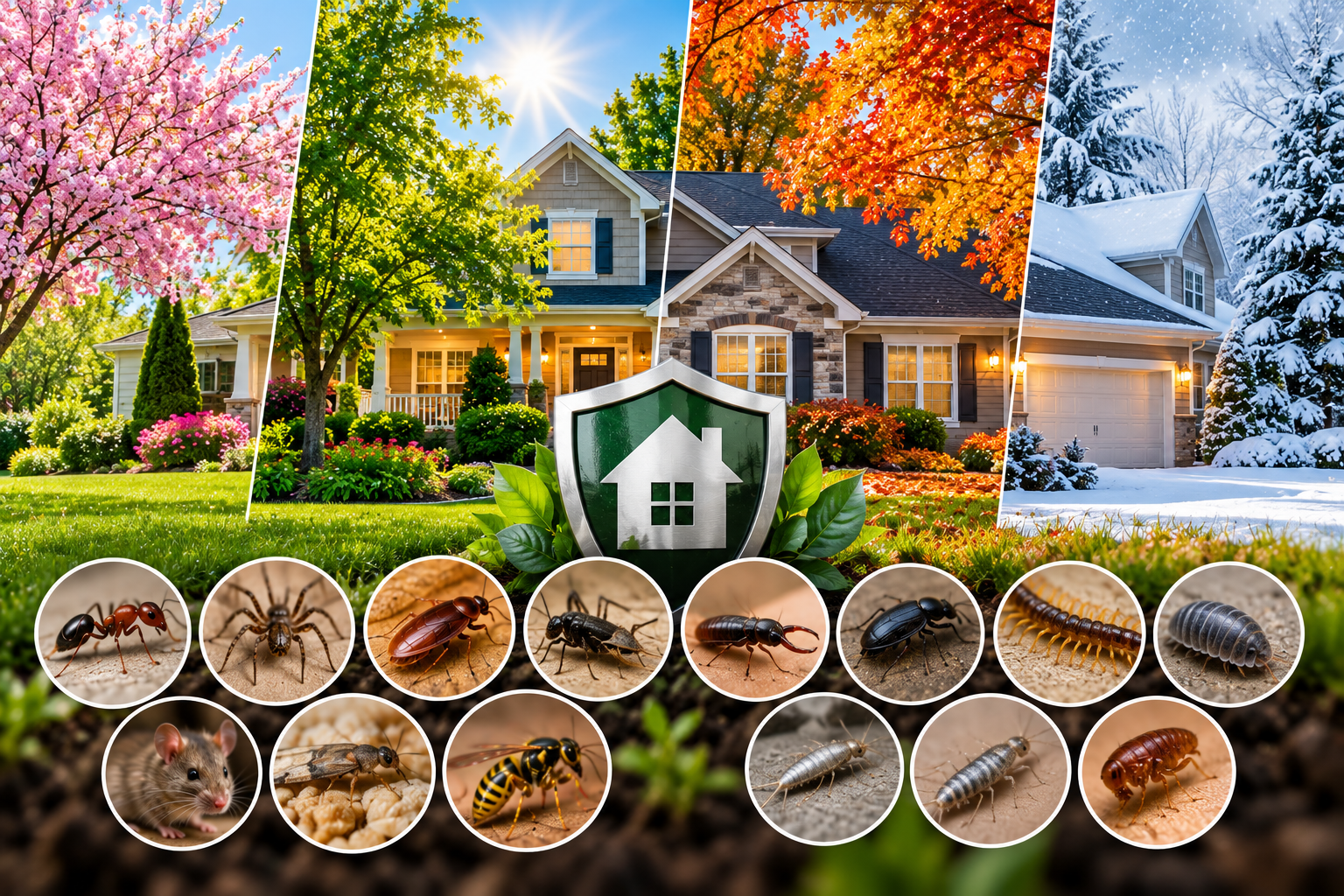
Professional pest management services often address ants, termites, rodents, spiders, stinging insects, millipedes, bed bugs, cockroaches, and other common invaders. Each species requires a different strategy based on behavior, habitat, and seasonal timing.
Spring is a valuable window for prevention. Early action reduces the likelihood of larger, more persistent infestations later in the season.
Stop Spring Pests Before They Settle In
If you are noticing signs of spring pests around your New Jersey home, contact E&G Exterminators to schedule a professional inspection and build a prevention plan tailored to your property.