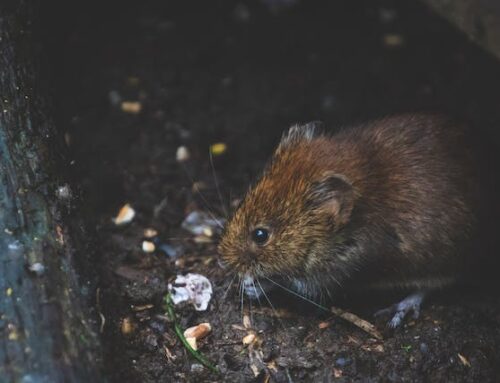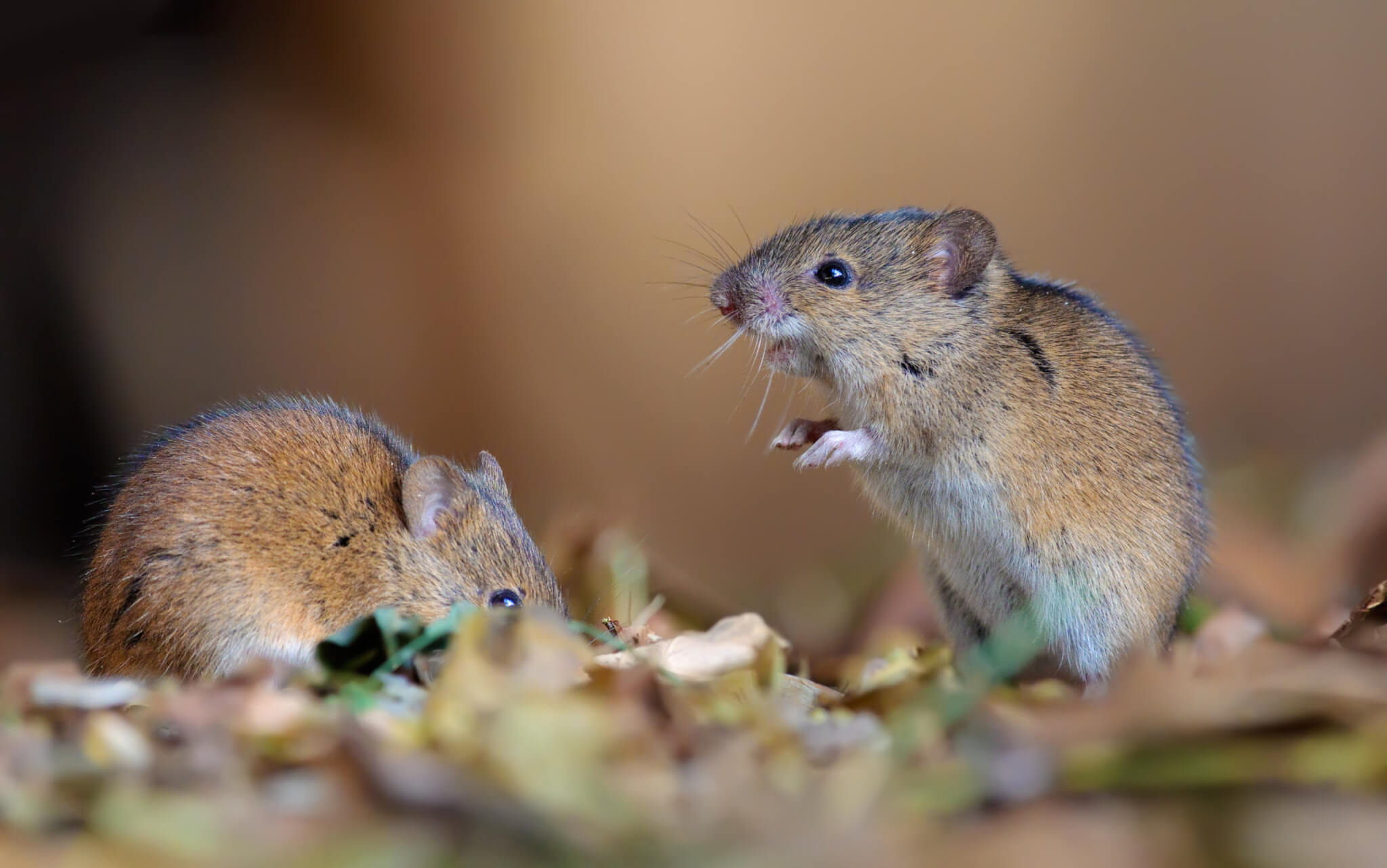


A cold night in New Jersey can make an attic seem like the last place anyone would want to settle. For mice, however, the space above a heated home offers shelter from wind, predators, and frequent disturbance. Insulation makes that shelter even more useful. The same material intended to slow heat loss can become nesting material, a travel route, and a place where rodent waste accumulates.
We often find that homeowners notice a sound before they see damage. Scratching overhead, a strange odor, or a few droppings near the attic hatch may be the first clue. Understanding what mice do to insulation helps explain why removing the rodents and assessing the affected materials both matter.

How Mouse Nesting Changes the Insulation Above Your Ceiling
Mice fit through small openings and move along framing, pipes, and other protected edges. Once inside, they may tunnel through loose insulation or pull pieces into sheltered nests. This can leave sections disturbed, compressed, or displaced, although the extent of damage varies with the infestation and insulation type.
We look for several kinds of evidence:
- Shredded fibers: Mice may gather soft insulation fragments with paper and other materials to build nests.
- Tunnels and paths: Repeated movement can leave channels or visibly disturbed sections in loose-fill insulation.
- Compressed areas: Nesting and travel can flatten material, potentially reducing coverage in localized spots.
- Hidden droppings: Waste may collect within insulation rather than only on exposed attic surfaces.
- Chewed surroundings: Nearby wiring, stored belongings, and building materials may also show gnaw marks.
Missing insulation does not automatically mean mice removed it. Previous repairs, air movement, moisture, and installation problems can produce uneven coverage. We examine rodent evidence alongside the condition of the attic rather than assuming every bare area is an infestation.
Our article on winter rodent-proofing explains why gaps around vents, utility lines, and roof transitions deserve attention. Even excellent replacement insulation cannot provide lasting protection if mice still have a dependable entrance.
Why Contamination and Heat Loss Require Separate Attention
When mice nest in attic insulation, they can leave urine, droppings, and nesting debris behind. The visible mess may be limited to one corner, while concealed material is more extensive. Disturbed insulation can also create uneven thermal coverage, but a higher heating bill alone does not prove rodent damage.
During an attic assessment, useful clues include:
- Fresh droppings: Their location and condition may help distinguish current movement from older evidence.
- Persistent odors: Unusual smells warrant investigation, although plumbing and moisture can produce similar symptoms.
- Damp materials: Leaks can worsen insulation performance independently of rodent activity.
- Exposed ceiling areas: Missing or compressed insulation can reduce the intended thermal barrier.
- Damaged cables: Gnawed wiring deserves evaluation by a qualified electrician rather than casual handling.
Rodent waste requires caution. Avoid sweeping or vacuuming dry droppings, which can disperse contaminated particles. Follow appropriate public-health cleanup guidance, and leave extensive contamination to trained personnel with suitable protection and methods. Homeowners should also avoid stepping between attic joists, where an unfinished ceiling may not support their weight.
Our winter pest-proofing checklist highlights attic insulation, rodent entry points, and the importance of addressing hidden winter activity. Inspection helps separate damage caused by mice from moisture problems that may call for roofing or ventilation repairs.
Remove the Mice Before Repairing the Attic
Replacing insulation while mice remain active treats the damage but not the cause. A sensible plan begins with confirming the pest, checking likely entry routes, and addressing the population. Only after that work should contaminated materials be evaluated for cleaning or replacement.
Our process may include:
- Rodent inspection: Identify credible activity, nesting areas, and accessible routes into the building.
- Targeted control: Select appropriate mouse-management measures based on the findings and household conditions.
- Exclusion planning: Address gaps with suitable barriers without obstructing required ventilation.
- Material assessment: Determine which insulation areas are contaminated, displaced, or otherwise compromised.
- Cleanup and replacement: Remove affected material where warranted, clean accessible areas appropriately, and restore coverage.
Our company offers mouse control, rodent exclusion, wildlife cleanup, and insulation removal and replacement. We explain the recommended sequence so a homeowner does not pay to restore the attic only to have new damage appear through the same opening. Structural repairs, electrical work, or major moisture corrections may require other qualified trades.
Winter makes attic activity easy to overlook because the space is rarely visited. Yet mice do not need to wait for spring to nest indoors. A timely inspection can reveal whether the problem is active, what the insulation has sustained, and which measures should be completed before restoration begins.
Restore the Attic, Not Just Its Appearance
If you hear scratching overhead or find disturbed insulation, contact E&G Exterminators for a professional mouse inspection. We can assess rodent evidence, discuss exclusion and cleanup, and explain when insulation removal or replacement may be appropriate for your New Jersey home.