

Mosquito season can change how homeowners use patios, lawns, gardens, and other outdoor areas. Warm weather, standing water, dense vegetation, and regular rainfall create conditions that support mosquito activity around residential properties. Even small water sources can become breeding sites, while shaded landscaping gives adult mosquitoes places to rest during the day.
Preparing safely means looking beyond visible insects. Effective pest control combines property inspection, water-source management, vegetation review, targeted treatment, and seasonal monitoring. This approach helps reduce mosquito pressure without relying on scattered, short-term reactions that may overlook the places where activity begins.

Find And Correct Water-Holding Conditions
Mosquitoes need water to reproduce, but the source is not always a pond or large puddle. Gutters, planters, toys, tarps, birdbaths, drainage areas, and outdoor containers may hold enough water for development. A professional inspection looks for both obvious and hidden collection points.
Important areas to review include:
- Gutters with debris that slows drainage after rain
- Planters, buckets, toys, and containers that retain water
- Tarps, covers, and outdoor furniture with shallow depressions
- Birdbaths, decorative features, and pet-water stations
- Low-lying soil or drainage zones that remain wet
Water management should be consistent throughout the season because new breeding sites can appear after storms, irrigation changes, or ordinary yard use. Technicians can identify recurring conditions and explain which areas need correction before targeted service begins.
Prepare Gardens Without Disrupting The Landscape
Gardens provide shade, moisture, and protected resting places for mosquitoes, especially where vegetation grows densely near seating areas or foundations. Preparation should improve access and airflow without damaging healthy plants or disturbing beneficial landscape features.
A useful discussion of spring garden protection shows why early-season inspection and careful landscape management matter before insect activity increases. Trimming overgrown edges, removing unnecessary debris, and keeping pathways accessible can help technicians evaluate likely resting zones.
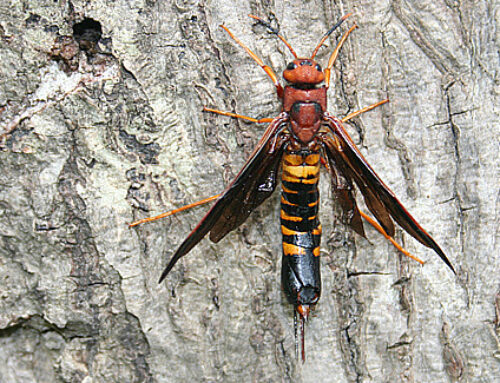
Professional guidance is valuable because mosquitoes are only one part of the outdoor pest picture. Ants, stinging insects, fleas, ticks, midges, and other pests listed by the service provider may also respond to moisture, vegetation, shelter, or seasonal changes. A property-specific plan avoids treating every landscape condition as though it presents the same risk.
Make Outdoor Areas Ready For Targeted Service
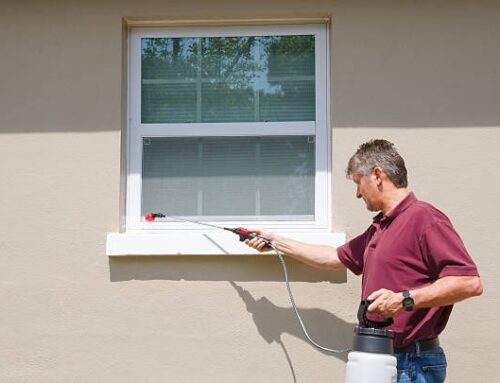
Before a scheduled mosquito visit, outdoor spaces should be accessible enough for a technician to inspect and treat appropriate areas. Preparation also helps protect belongings, children, and pets while allowing the service to proceed efficiently.
Property owners may be asked to:
- Move toys, food items, and loose belongings from treatment zones
- Close windows and doors during the scheduled application period
- Keep children and pets indoors as instructed
- Secure pet bowls, outdoor cushions, and portable equipment
- Provide access to side yards, gates, decks, and shaded landscaping
Instructions can vary based on the treatment plan, weather, property layout, and products being used. Following the technician’s directions is more reliable than assuming every mosquito service requires the same preparation or reentry period.
Choose A Service Rhythm That Matches Seasonal Pressure
Mosquito populations can rebuild when weather, moisture, and breeding conditions remain favorable. A single visit may reduce current activity, but it may not address mosquitoes emerging later from new water sources or nearby areas.
The comparison between one-time and quarterly service helps explain why treatment frequency should match the pest and the property. Mosquito pressure is strongly seasonal, so monitoring and repeated evaluation may be more useful than waiting for biting activity to become severe.
Professionals consider rainfall, temperature, vegetation, yard use, surrounding properties, and previous activity when recommending timing. This evidence-based approach keeps service focused on actual conditions rather than applying the same schedule to every property.
Support Long-Term Results With Ongoing Monitoring
Mosquito preparation is not a one-day project. Conditions can change throughout the season as containers move, gutters clog, plants thicken, irrigation patterns shift, and storms leave new standing water. Ongoing observation helps catch these changes before they support repeated breeding.
A long-term prevention plan may include:
- Rechecking water-holding sites after rain or irrigation
- Monitoring shaded shrubs, fence lines, and foundation-adjacent plants
- Reviewing drainage problems that return in the same locations
- Adjusting treatment zones as vegetation and yard use change
- Scheduling follow-up based on mosquito pressure and service findings
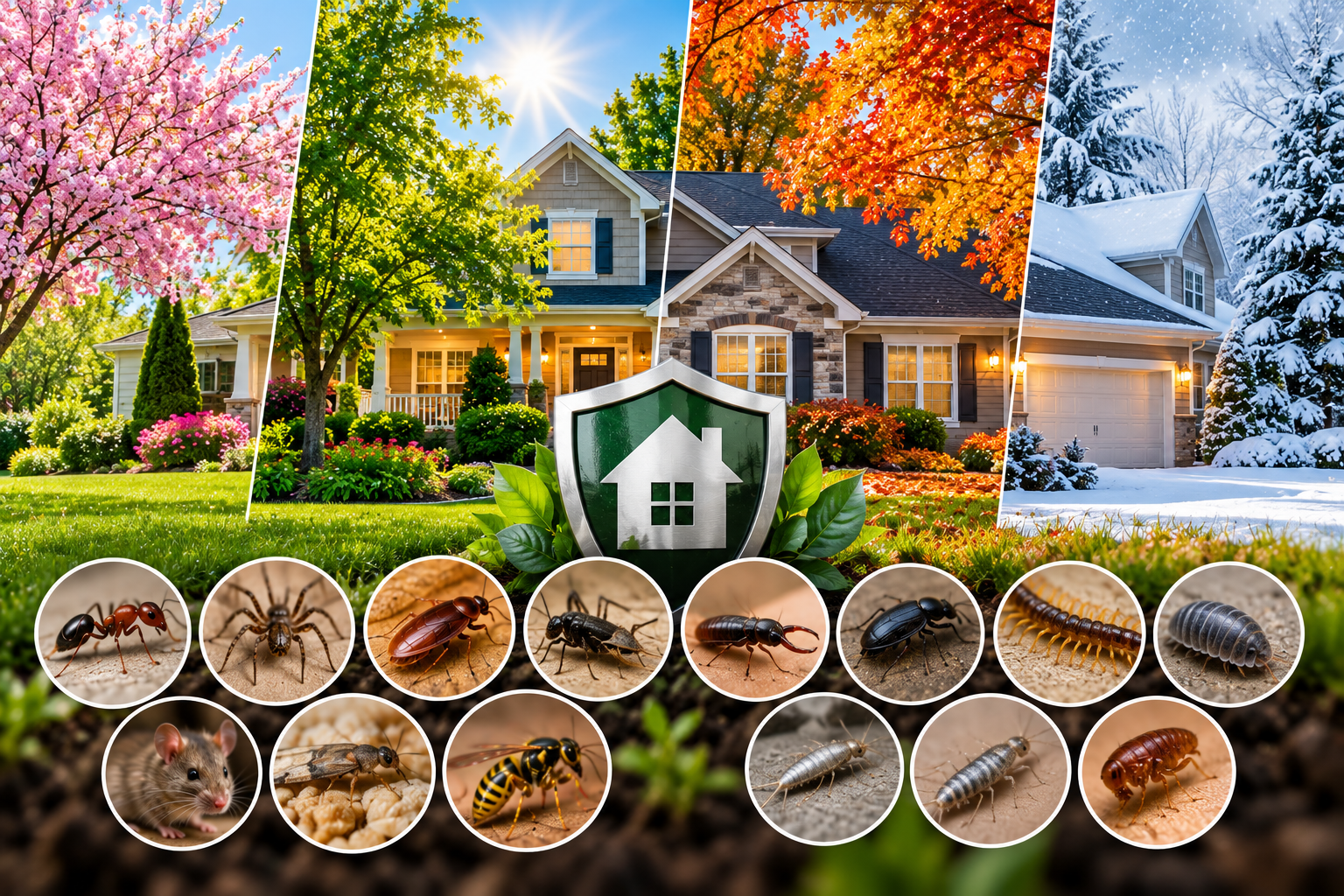
Professional pest control adds continuity to this process. Technicians can compare current conditions with earlier visits, identify patterns, and refine recommendations when the property changes. They may also notice activity involving other handled pests, including ants, bats, cockroaches, fleas, ticks, rodents, spiders, termites, stinging insects, midges, millipedes, and springtails.
Safe mosquito-season preparation depends on careful inspection, targeted action, clear instructions, and realistic expectations. No treatment can prevent every mosquito from entering a yard, but reducing breeding conditions and resting areas can make outdoor spaces more manageable. A coordinated plan is more efficient than reacting only after bites become frequent.
Make Summer Evenings Easier To Enjoy
Contact E&G Exterminators for professional mosquito inspection, targeted pest control, and long-term seasonal guidance tailored to your property.