

A professional pest inspection gives homeowners a clearer understanding of what is happening inside and around the property. The process is more than a quick search for visible insects. A technician looks for pest evidence, entry points, moisture, shelter, food sources, structural conditions, and activity patterns that may explain why a problem started or why it keeps returning.
A thorough pest inspection can help identify concerns involving ants, cockroaches, millipedes, mosquitoes, moths, bed bugs, mice, termites, silverfish, wasps, hornets, fleas, ticks, spiders, and other listed pests. The goal is to separate isolated sightings from active infestations and determine what kind of treatment, prevention, or follow-up makes sense for the property.

The Inspection Starts With Questions And Visible Clues
The first part of the visit usually involves learning what the homeowner has noticed. A technician may ask where pests were seen, when activity began, whether it changes by time of day, and whether the problem appears after rain, heat, cold, or seasonal shifts. These details help narrow the inspection.
A technician may look for:
- Droppings, shed skins, egg cases, wings, webs, or nesting material
- Ant trails, cockroach activity, bed bug evidence, or termite signs
- Gnaw marks, scratching sounds, or mouse activity near storage areas
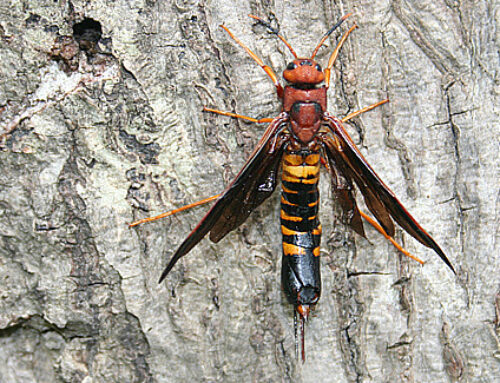
- Wasp or hornet traffic near eaves, shrubs, sheds, or wall openings
- Moisture, food residue, clutter, or structural gaps that support pests
Seasonal timing matters because pest pressure can change quickly. A useful look at early spring pests shows how ants, termites, and other concerns may become more noticeable as temperatures rise.
The homeowner’s observations are valuable, but the inspection should not stop at the room where the pest was last seen. Professionals look for the route, source, and nearby conditions that may be allowing the activity to continue.
Interior And Exterior Areas Are Checked Together
Many pest problems begin outside and move indoors through gaps, vents, utility openings, doors, windows, foundations, or roofline access points. That is why a complete inspection usually includes both interior and exterior areas whenever access allows.
Common inspection areas include:
- Kitchens, bathrooms, laundry rooms, basements, garages, and storage spaces
- Bedrooms, furniture, mattresses, and baseboards when bed bugs are suspected
- Foundations, exterior walls, windows, doors, vents, and utility penetrations
- Landscaping, mulch, drainage, trash areas, and moisture-prone zones
- Attics, crawl spaces, sheds, and other low-disturbance areas when relevant
This broader review helps identify whether pests are entering from outside, nesting within the structure, or responding to conditions such as water, food, or shelter. Ants may follow a foundation route. Cockroaches may stay close to moisture. Mice may enter through a small gap. Termites may remain hidden in wood or near soil-contact areas.
A professional inspection also helps avoid treating the wrong pest. Flying ants can be mistaken for termites. Different stinging insects may require different approaches. Bed bug signs may be confused with other causes. Correct identification keeps the treatment plan focused and reduces unnecessary work.
Findings Lead To A Treatment And Follow-Up Plan
After the inspection, the technician should explain what was found, where the activity appears to be concentrated, and what conditions may be contributing to the problem. The next step should be based on evidence rather than assumption.
A professional plan may include:
- Targeted treatment for the specific pest and the affected areas
- Recommendations for sealing gaps, reducing moisture, or improving sanitation
- Monitoring when the activity is limited or still needs confirmation
- One-time service when the issue is isolated, and conditions are favorable
- Quarterly or recurring service when seasonal or repeat pressure is likely
The right service schedule depends on the pest, property, history, and surrounding conditions. A comparison of service plan options explains why some homes need a single visit while others benefit from ongoing monitoring and seasonal prevention.
Follow-up is important because pest activity can change after treatment. Eggs may hatch, hidden pests may emerge, or activity may shift to another area. A technician can compare new findings with the original inspection and adjust the plan when needed.
A good pest inspection gives homeowners more than a list of problems. It provides a clear picture of what is active, what is only a risk condition, which areas need attention, and what results to expect. That information helps homeowners make better decisions without relying on guesswork or temporary reactions.
Professional inspection is especially useful when pests keep returning, signs appear in several rooms, structural damage is suspected, or the source is difficult to locate. By connecting pest evidence with the property conditions behind it, the technician can build a more precise and long-term response. Clear documentation can also make future comparisons easier when seasonal activity or new warning signs appear.
Turn Pest Clues Into A Clear Plan
A professional inspection helps identify the pest, locate the source, and determine the right next step before activity becomes harder to manage. For inspection-based help with ants, cockroaches, millipedes, mosquitoes, moths, bed bugs, mice, termites, silverfish, spiders, fleas, ticks, wasps, hornets, and other supported pest concerns, contact E&G Exterminators.