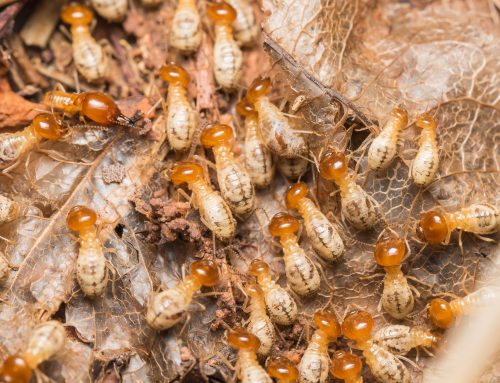


Cooler weather does not mean termite concerns disappear. In New Jersey, subterranean termites can remain active below ground and inside protected structural areas even when surface activity becomes less noticeable. Fall is therefore a practical time to review the property for early warning signs before winter conditions make certain areas less accessible.
Our team uses a termite inspection to look for evidence that connects soil, moisture, wood, and hidden travel routes. Mud tubes, discarded wings, soft wood, and unexplained surface changes can all point to activity, but each sign needs context. Professional evaluation helps distinguish termites from ants, water damage, settling, and decay so the next step is based on evidence rather than guesswork.
Why Choose EG Pest Exterminators in Perth Amboy
Check Foundations, Basements, And Crawl Spaces First
Subterranean termites travel from soil toward cellulose materials through protected routes. Foundation walls, basement surfaces, crawl-space supports, garage slabs, utility penetrations, and areas where wood sits close to soil deserve particular attention before colder weather settles in.
Our guide to early termite signs explains why mud tubes are important clues. These narrow, earth-colored paths help termites retain moisture while moving between soil and structural wood.
A fall checklist should include:
- Looking for pencil-width mud tubes along concrete, block, or foundation surfaces
- Checking wood-to-soil contact around porches, framing, and exterior features
- Inspecting utility penetrations for soil-packed cracks or protected travel routes
- Reviewing crawl-space supports and sill areas for moisture or wood changes
- Noting fresh tubes near damp foundation edges
- Keeping suspicious evidence intact until a professional inspection is completed
Removing or sealing a tube before inspection can erase clues technicians use to determine where termites are traveling and whether nearby wood needs closer evaluation.
Look For Swarmers, Wings, And Gradual Wood Changes
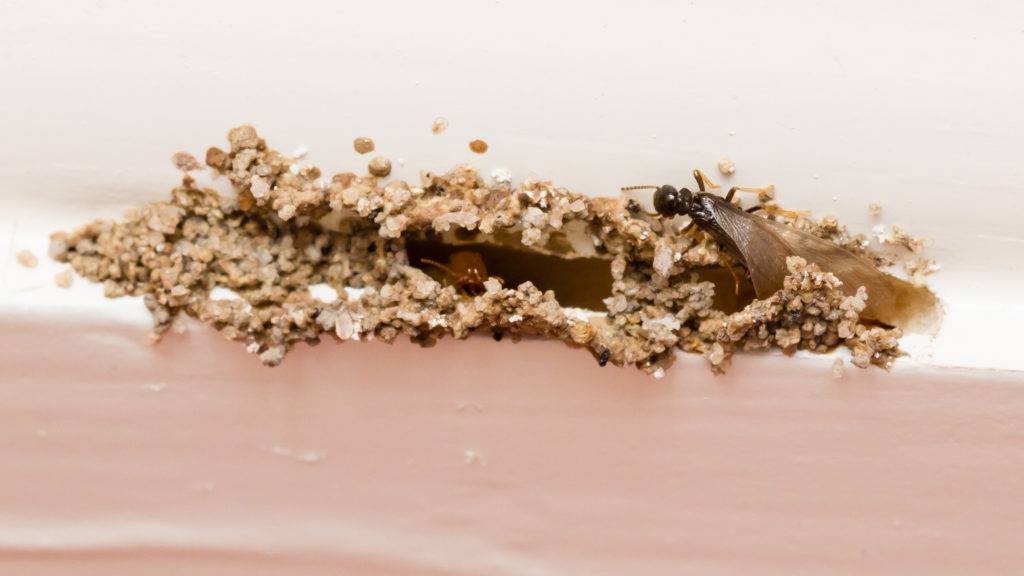
Swarmers can appear briefly, which makes their evidence easy to overlook. Winged reproductive termites may gather near windows, doors, vents, basements, or interior lights when conditions are favorable. Even if the insects are gone by the time the area is checked, discarded wings can still help indicate where activity occurred.
Wood changes also deserve attention because termites often feed inside structural material while leaving the outer surface partly intact. Damage may develop around framing, trim, flooring, door frames, baseboards, and sill plates without obvious open holes.
Important signs include:
- Finding groups of equal-length wings near windows or doors
- Seeing swarmers indoors rather than only outside
- Noticing wood that sounds hollow when lightly tapped
- Finding soft trim or flooring that gives under pressure
- Watching for blistered, darkened, or uneven wood surfaces
- Noting bubbling paint or sticking doors without another clear explanation
These symptoms can also result from moisture or age-related damage. That is why visual evidence should lead to inspection rather than assumptions about the extent of an infestation.
Use The Inspection To Connect Moisture, History, And Hidden Risk
A termite inspection should bring individual clues together. One mud tube, a few wings, or a soft section of trim may connect to a larger pattern involving foundation design, moisture, landscaping, construction type, inaccessible spaces, or earlier treatment.
Our explanation of a professional pest inspection shows why technicians look at evidence, entry conditions, moisture, shelter, and activity patterns together. For termite concerns, that broader review helps determine whether signs are current, old, isolated, or part of a larger hidden problem.
A complete pre-winter inspection may include:
- Reviewing foundations, crawl spaces, basements, and garage transitions
- Checking moisture conditions around plumbing and exterior drainage
- Looking at landscaping or structures that keep soil close to wood
- Comparing current evidence with any known treatment or repair history
- Examining suspicious wood for concealed damage
- Planning treatment and follow-up based on confirmed activity
Correcting moisture can support long-term prevention, but it does not eliminate an established colony. When active termites are confirmed, treatment should reflect the species, location, and extent of activity rather than relying on a one-size-fits-all response.
Seasonal access also matters during the inspection. Stored items, insulation, finished basement walls, and dense landscaping can block the areas where evidence is easiest to trace. Our technicians consider those limitations when documenting findings so recommendations reflect what could be inspected directly and what may need additional access later. That helps keep the evaluation practical without overstating what surface signs alone can prove.
Fall is also a useful time to document findings. Photos, notes, and professional recommendations create a reference point for future inspections and help property owners understand whether conditions are changing over time. That record can be especially useful when earlier repairs or treatment make it harder to interpret what is new.
A thorough termite inspection before cooler weather arrives gives our team a stronger opportunity to trace visible signs before seasonal conditions reduce access to some areas. It also helps separate cosmetic concerns from evidence that may require treatment, structural recommendations, or continued monitoring.
Get Clear Answers Before Winter Limits Visibility
If you notice mud tubes, discarded wings, soft wood, or unexplained structural changes, contact E&G Exterminators for a professional termite inspection, targeted termite control, and follow-up based on the conditions found.