

Spring often brings renewed activity outdoors, but it also drives certain pests closer to homes. Millipedes and centipedes become more noticeable during this season as moisture levels rise and temperatures begin to shift. While these pests typically live outside, they can easily make their way indoors when conditions allow. Once inside, they tend to gather in damp areas, creating discomfort and concern for homeowners.
One of the most effective ways to reduce their presence is by sealing gaps and limiting access points. A structured pest control approach focuses not only on treating visible activity but also on preventing entry in the first place. By addressing the small openings that often go unnoticed, homeowners can create a more controlled environment that discourages these pests from settling indoors.
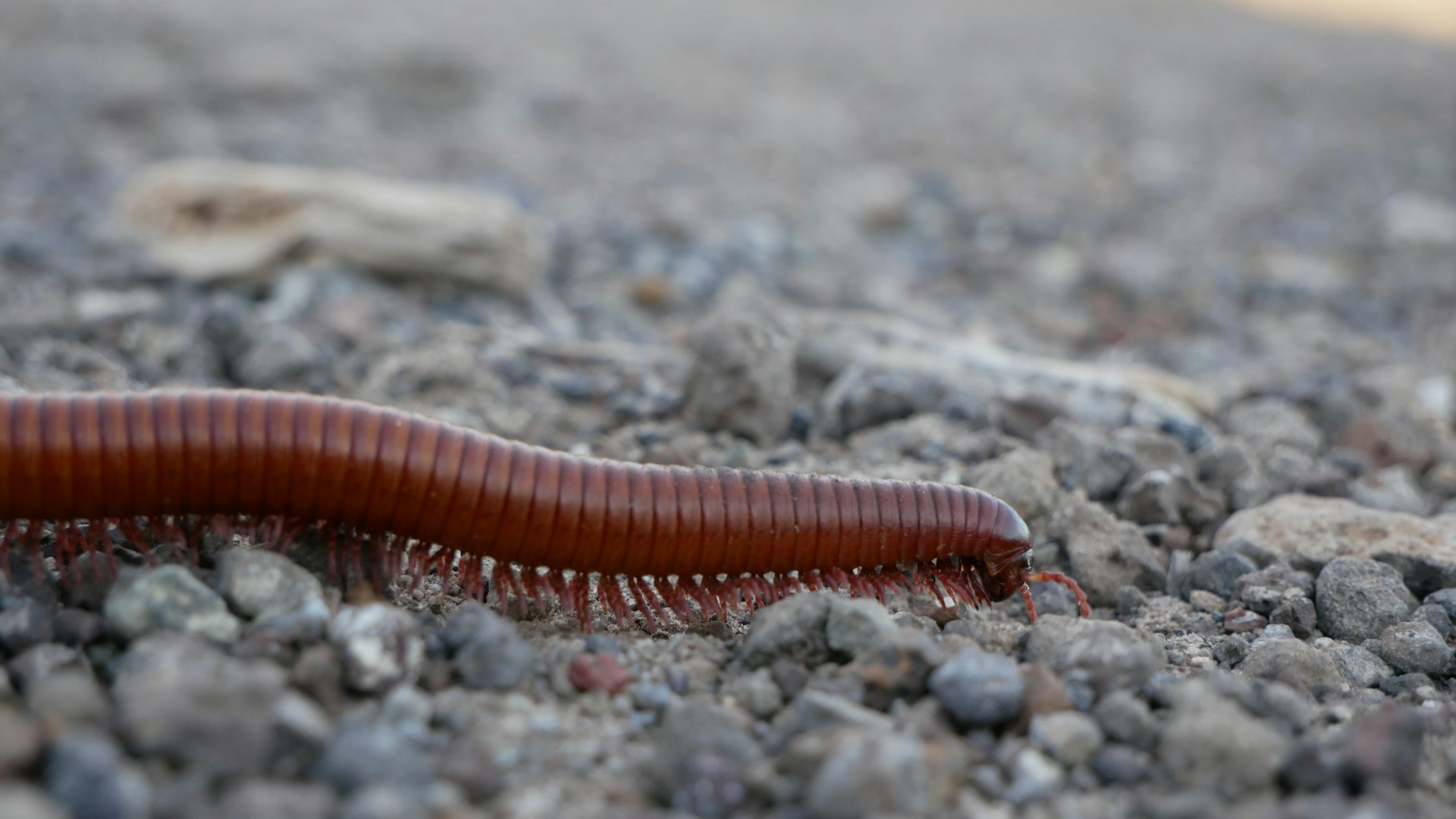
Why Millipedes And Centipedes Enter Homes In Spring
Millipedes and centipedes are strongly influenced by environmental conditions. During spring, increased rainfall and humidity create ideal habitats outdoors. However, when moisture becomes excessive or when their environment is disturbed, these pests begin to migrate toward drier and more stable conditions.
Common reasons they move indoors include:
- Excess moisture in soil and landscaping areas
- Shifts in temperature that disrupt outdoor habitats
- Overwatering or poor drainage near the foundation
- Organic debris, such as leaves and mulch, close to the home
- Structural openings that provide easy access
While they are not typically harmful, their presence indoors signals that conditions outside are pushing them inward. This movement highlights the importance of identifying both environmental factors and structural vulnerabilities.
How Sealing Gaps Reduces Pest Entry
Small gaps and cracks around a home often go unnoticed, yet they serve as primary entry points for pests. Millipedes and centipedes do not require large openings to gain access. Even narrow spaces around doors, windows, and utility lines can provide a pathway indoors.
Sealing these gaps is a key step in preventing entry. Areas to focus on include:
- Cracks along the foundation
- Gaps around window and door frames
- Openings around pipes and utility lines
- Spaces under exterior doors
- Vents or poorly sealed siding edges
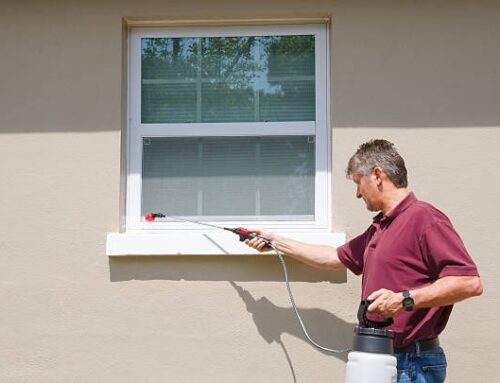
Addressing these points helps create a physical barrier that limits movement from outside to inside. Over time, this reduces the likelihood of pests finding suitable entry routes and lowers indoor activity levels.
For a broader perspective on maintaining indoor air and reducing pest access points, this guide on duct cleaning benefits explains how overlooked areas can influence pest presence.
Moisture Control And Environmental Adjustments
Sealing gaps is most effective when combined with moisture control. Since millipedes and centipedes are drawn to damp conditions, reducing excess moisture around the home plays a major role in pest control.
Key areas to monitor include basements, crawl spaces, and landscaping zones near the foundation. Simple adjustments can make a meaningful difference in limiting pest attraction.
- Improve drainage around the home to prevent water buildup
- Repair leaks and dripping fixtures promptly
- Reduce overwatering in gardens and lawn areas
- Use ventilation or dehumidification in enclosed spaces
- Keep gutters and downspouts clear and functional
By managing moisture levels, homeowners create an environment that is less appealing to these pests. When combined with sealing gaps, this approach strengthens overall protection and reduces the chances of recurring issues.
Long-Term Prevention Through Consistent Maintenance
Preventing millipedes and centipedes from entering the home requires ongoing attention rather than one-time fixes. Seasonal changes, structural wear, and landscaping updates can all introduce new vulnerabilities over time.
Maintaining a consistent routine helps ensure that preventative efforts remain effective. This includes regular inspections of the home’s exterior and timely adjustments when conditions change.
- Inspect the foundation and exterior walls for new cracks
- Maintain proper spacing between the mulch and the structure
- Clear debris such as leaves and organic material
- Trim vegetation to improve airflow and visibility
- Monitor areas that tend to retain moisture
These steps support a long-term pest control strategy by reducing both access points and environmental attractants. Over time, this proactive approach helps create a more stable and pest-resistant home.
For additional insight into preparing your home against seasonal pest changes, this resource on the winter pest checklist highlights how consistent preparation supports year-round protection.
When Professional Pest Control Becomes Necessary
While preventative steps can significantly reduce pest activity, there are situations where professional pest control becomes the most effective option. Persistent infestations, recurring entry points, or underlying moisture issues may require a more detailed evaluation.
Professionals are equipped to identify subtle conditions that contribute to pest activity, including hidden entry points and environmental factors that may not be immediately visible. Their approach combines targeted treatment with preventative strategies, creating a more comprehensive solution.
In cases where millipedes and centipedes continue to appear despite efforts to control conditions, professional assistance ensures that the root cause is properly addressed. This level of precision helps prevent repeated issues and supports long-term results.
Keep Spring Pests Outside Where They Belong
Creating a barrier against millipedes and centipedes starts with addressing the small details that often go unnoticed. For reliable support and a more complete pest control approach, reach out to E&G Exterminators and take a proactive step toward keeping your home protected this season.