

Warm weather changes how roaches behave around New Jersey homes. As temperatures rise, they search more actively for food, moisture, shelter, and quiet hiding places. A kitchen sighting, a roach near a bathroom drain, or activity around a basement corner may look like a small issue, but roaches usually stay hidden until conditions are favorable enough for them to spread.
Cockroach control is most effective when the home is evaluated as a full environment. Roaches are drawn to what the structure gives them: crumbs, grease, water, warmth, darkness, cracks, cardboard, and cluttered storage. They may move through kitchens, bathrooms, laundry areas, basements, garages, utility rooms, and wall voids before becoming visible. Understanding these attractants helps explain why warm-weather activity often needs more than a quick surface response.

Food Residue Gives Roaches A Reason To Stay
Roaches are resourceful feeders. They do not need a full plate of food to survive. Small crumbs, grease film, pet food, trash residue, and spills can support activity when they are available regularly. Warm weather can also make odors develop faster, especially around garbage areas and recycling bins.
- Counters should be checked for crumbs, syrup, grease, and drink residue after meal preparation.
- Pantry items should be stored in sealed containers, especially grains, snacks, cereal, and pet food.
- Trash bins should close tightly because food odors can attract roaches from nearby hiding areas.
- Appliances can collect grease and crumbs underneath, where roaches can feed without being noticed.
- Pet feeding spaces should be cleaned often so food pieces do not remain overnight.
Food access is one reason roaches can become a problem in homes, apartments, offices, restaurants, warehouses, and healthcare settings. In shared buildings, one sanitation concern can influence surrounding spaces. A closer look at office roach risk shows why food handling, breakrooms, trash areas, and moisture control are important in more than one type of property.
Moisture And Shelter Make Warm Homes More Attractive
Roaches often gather where moisture and darkness meet. Bathrooms, kitchens, basements, laundry rooms, utility closets, and crawl-space edges can provide the water they need. In warm weather, humidity may rise indoors and outdoors, making damp areas even more attractive.
- Leaky pipes can create reliable water sources below sinks, behind cabinets, or near appliances.
- Drains may hold organic buildup that supports pest activity near sinks and floor areas.
- Damp basements can give roaches a quiet place to hide and reproduce.
- Cardboard boxes can provide shelter, especially in garages, closets, and storage rooms.
- Wall cracks and gaps around plumbing can create hidden routes between rooms.
Roaches are nocturnal, so daytime sightings may suggest that activity is already established or that hiding space has become crowded. A professional inspection can identify whether roaches are linked to moisture, sanitation, structure, or nearby pest pressure. That matters because other listed pests, including ants, mice, spiders, silverfish, fleas, ticks, mosquitoes, termites, and bed bugs, can also benefit from moisture, gaps, clutter, or food access in different ways.
Entry Points: Let Outdoor Pressure Move Inside
Warm-weather pest pressure often begins outside. Roaches can approach homes from mulch, trash areas, damp exterior walls, drains, garages, deliveries, and shared structural spaces. Once they find an opening, they may move indoors and settle near food and water.
- Door gaps can allow crawling pests to enter from patios, sidewalks, garages, or porches.
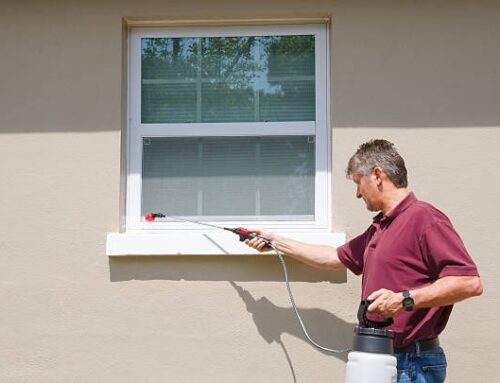
- Window frames may create access when seals are loose, aging, or damaged.
- Utility openings can give roaches hidden routes near plumbing, wiring, and cabinets.
- Exterior clutter can provide shelter near doors before pests move inside.
- Shared walls can complicate activity in apartments, townhomes, and multi-unit homes.
This is why treatment should not focus only on the room where roaches were seen. A kitchen sighting may connect to a basement drain, garage gap, exterior trash area, or neighboring unit. When the source is missed, activity can return after a short quiet period.
Long-Term Relief Depends On Consistent Planning
Roach pressure can be stubborn because the conditions that draw them often return. Trash builds up again. Humidity changes after storms. Doors open more often during gatherings. Food residue collects under appliances. Storage areas become crowded. A one-time visit may help with a defined issue, while recurring service may be better when conditions or pest pressure keep changing.
For homeowners comparing options, quarterly service plans can help explain why repeated monitoring may be useful for ongoing pest concerns. The right schedule depends on the property, history of activity, sanitation conditions, structural gaps, and the pests involved.
Professional service brings structure to the process. It can identify the roach species, locate likely harborages, review moisture concerns, recommend sanitation improvements, and apply targeted treatments where activity is most likely. That careful approach helps reduce guesswork and supports better long-term results.
Keep Roaches From Settling Into Your Home
Warm weather can draw roaches inside when food, moisture, shelter, and entry points line up. For help with roach activity and broader household pest concerns, contact E&G Exterminators for professional services.