

Termite damage is often discovered late because termites are built to stay hidden. They do not usually march across open floors or leave obvious damage where homeowners can see it right away. Instead, they work behind walls, under flooring, inside wood members, near crawl spaces, or around soil-connected areas where moisture and shelter help them survive.
This is why termite control should never depend only on visible damage. A home may look normal while termites are feeding inside trim, sill plates, subfloors, porch supports, or structural framing. By the time wood feels soft, paint blisters, floors sag, or swarmers appear indoors, the activity may have been building quietly for years. Understanding why damage stays hidden helps homeowners take inspections, moisture problems, and seasonal warning signs more seriously.
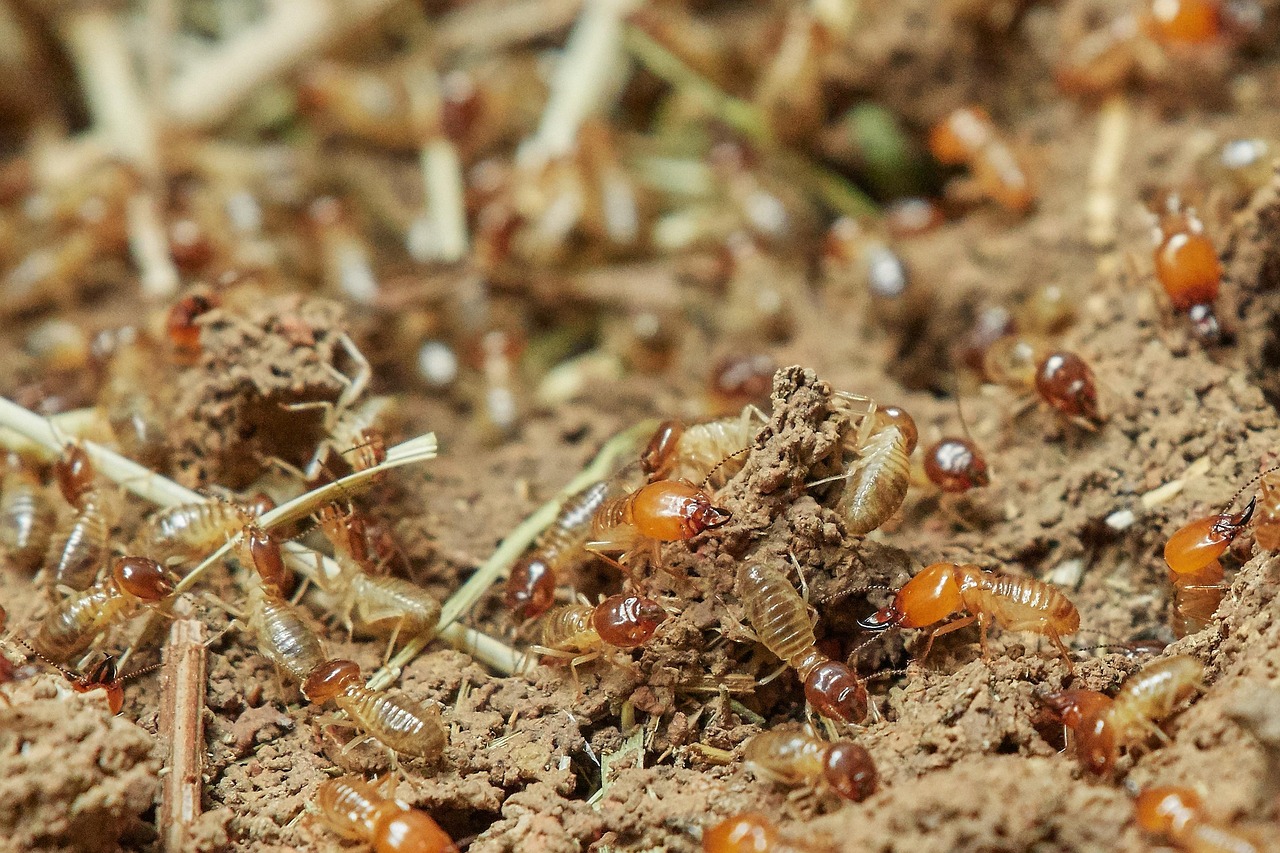
Termites Work From The Inside Out
Termites damage wood in ways that can be difficult to notice from the surface. They often feed inside the material while leaving a thin outer layer intact. Paint, drywall, flooring, and trim can hide activity until the damaged area finally weakens or breaks.
- Hollow-sounding wood can suggest internal feeding behind the surface.
- Blistered paint may hide tunneling or moisture-related wood stress.
- Soft trim or flooring may appear only after damage has advanced.
- Mud tubes can be hidden behind stored items, crawl space edges, or foundation areas.
Because the visible surface may remain mostly unchanged, homeowners can underestimate the problem. A professional inspection looks beyond appearance and checks patterns that may point to active or past termite activity.
Moisture Helps Activity Stay Hidden
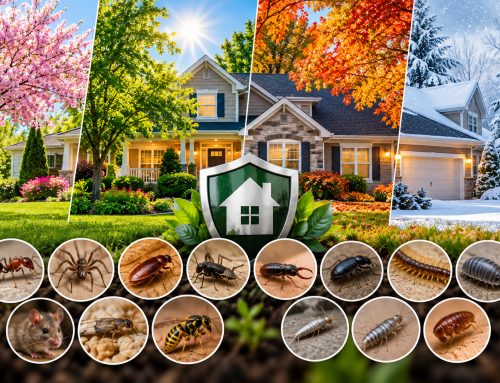
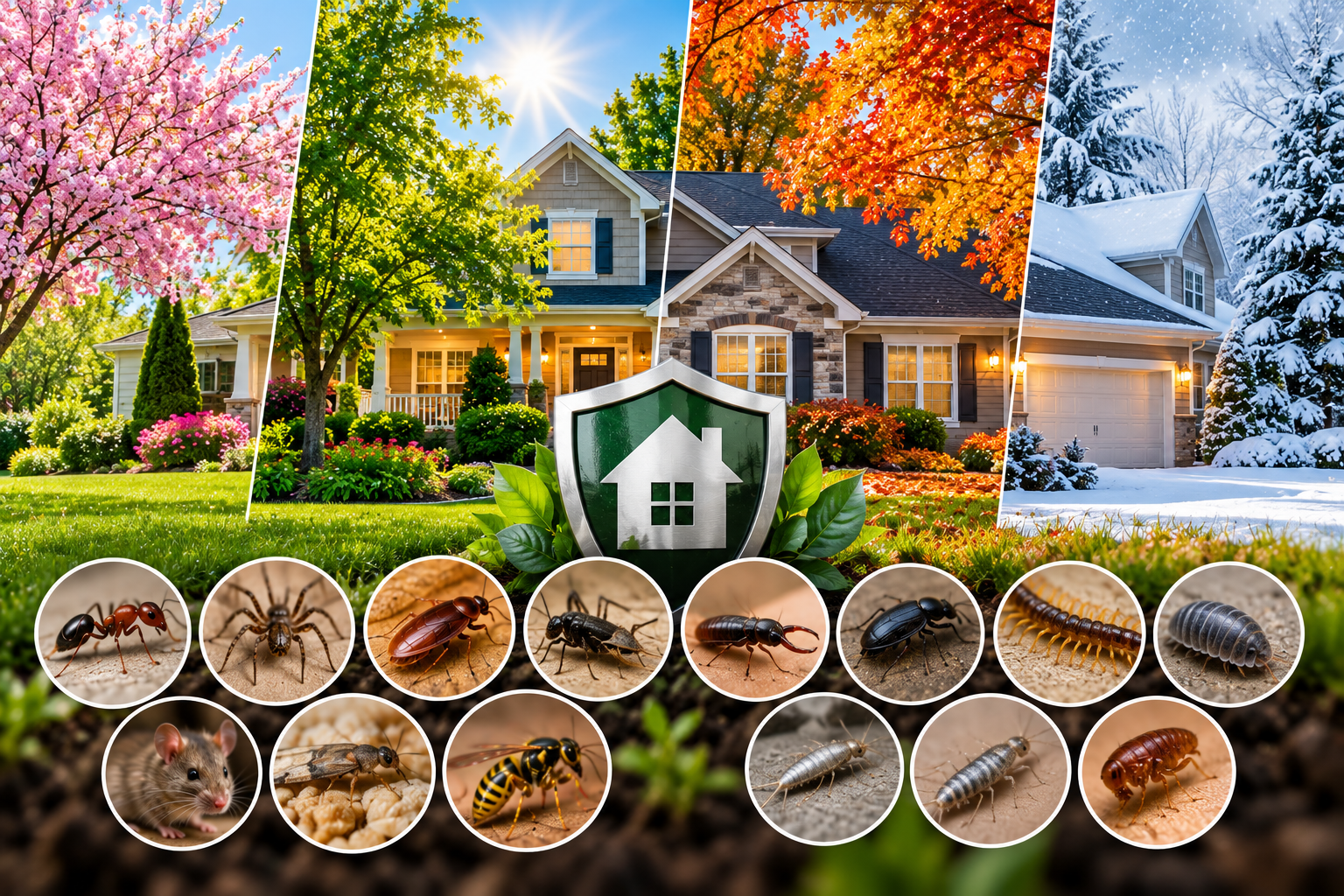
Moisture can make termite problems easier to miss and easier to sustain. Damp crawl spaces, leaking pipes, clogged gutters, poor drainage, shaded foundations, and wood-to-soil contact can create conditions where termites remain active without drawing attention. These same moisture conditions may also attract ants, cockroaches, millipedes, mosquitoes, moths, bed bugs, wasps and hornets, ticks, silverfish, mice, spiders, fleas, carpenter bees, stink bugs, boxelder bugs, squirrels, carpenter ants, cicada killers, and crickets.
A closer look at moisture pest risks helps explain why water problems can support more than one pest issue. For termites, moisture creates a protected environment where colonies can work quietly. The damage may not be obvious until flooring, framing, or trim begins showing weakness.
Professional inspection helps connect moisture clues with pest evidence, rather than treating damp wood as only a repair concern.
Swarmers May Be The First Obvious Sign
Many homeowners first notice termites during swarm season. Swarmers are reproductive termites that leave a mature colony to start new colonies. They may appear near windows, lights, doors, basements, crawl space openings, or interior rooms. Sometimes, homeowners only find discarded wings after the insects are gone.
- Winged termites indoors may suggest activity close to the structure.
- Discarded wings can collect along windowsills, floors, or entry areas.
- Swarmers may be mistaken for flying ants without careful identification.
- Repeated swarms near the same area should be taken seriously.
A swarm does not show the full extent of the colony, but it is an important warning sign. If the activity is ignored, hidden damage may continue. Identification matters because termites and ants require different treatment strategies.
Damage Can Look Like Ordinary Wear
Termite damage often goes unnoticed because it can resemble age, settling, moisture wear, or routine home maintenance issues. Slightly warped trim, sticking doors, bubbling paint, or a soft porch board may seem like small repairs. In reality, these signs can sometimes connect to wood-destroying activity.
During termite swarm season, those small clues become even more important. Swarm activity, soft wood, mud tubes, and moisture concerns should be evaluated together. Looking at one symptom alone can lead to delay, especially when termite activity is hidden behind finished surfaces.
Professional termite control relies on evidence. Inspectors check accessible wood, foundations, crawl spaces, moisture-prone areas, and visible damage patterns to determine whether the issue is active, old, or related to another condition.
Inspections Help Prevent Bigger Repairs
Long-term termite damage is costly because the colony can stay active while the home appears stable. Routine inspection gives homeowners a better chance of identifying activity before it reaches major structural areas. It also helps separate termite concerns from other pest or property issues.
- Schedule inspections when wood sounds hollow, feels soft, or shows blistering.
- Watch for mud tubes, wings, swarmers, or unexplained wood damage.
- Review crawl spaces, basements, porches, garages, and foundation edges.
- Address moisture, drainage, and wood-to-soil contact before risks grow.
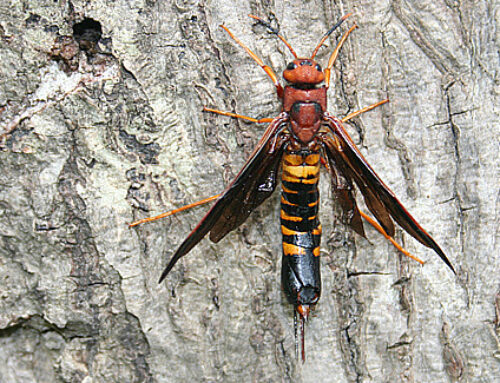
E&G Exterminators handles termites along with ants, cockroaches, millipedes, mosquitoes, moths, bed bugs, wasps and hornets, ticks, silverfish, mice, spiders, fleas, carpenter bees, stink bugs, boxelder bugs, squirrels, carpenter ants, cicada killers, and crickets. A thorough inspection can identify warning signs, guide treatment, and support long-term protection before hidden activity becomes a larger repair concern.
Find Hidden Termite Activity Before It Spreads
For termite control, careful inspections, moisture-aware evaluations, and prevention-focused guidance that helps uncover hidden wood damage before it becomes more costly, contact E&G Exterminators for professional support tailored to your home.