

A wasp nest near a home is more than an outdoor inconvenience. Wasps and hornets can become defensive when people, pets, deliveries, landscaping work, or routine maintenance disturb the area around the nest. Activity near doors, decks, garages, rooflines, shrubs, sheds, playgrounds, or outdoor seating can turn a normal part of the property into a risk zone.
Professional wasp control begins with identification, nest location, and an understanding of how the insects are using the structure or landscape. Some nests are obvious, while others are tucked into wall voids, soffits, shrubs, ground openings, or protected exterior gaps. Ignoring the nest gives the colony more time to grow and makes later service more complicated.

Nest Location Changes The Risk
The danger of a wasp nest depends heavily on where it is built. A nest high in a tree far from activity may create less concern than one near a back door, garage, deck, or mailbox. Around homes, the problem is often proximity. Wasps may feel threatened when people walk past the nest repeatedly, even without meaning to disturb it.
High-risk areas include:
- Eaves, soffits, porch ceilings, and roofline gaps near daily entry points
- Shrubs, hedges, garden beds, and fence lines close to walkways
- Garages, sheds, play areas, and patios are used by family members
- Wall voids, vents, or exterior cracks that hide active nesting
- Mailboxes, trash areas, and outdoor seating where people often pause
Location also affects treatment planning. A visible paper nest is not the same as an activity of entering a wall opening. Professional inspection helps determine whether the nest is exposed, concealed, active, or connected to a larger access concern.
Colonies Can Grow Before You Notice
Wasps may seem like a small issue early in the season, but activity can increase as the colony develops. Homeowners may first notice a few insects flying near a corner of the house. Weeks later, that same area may show steady traffic, defensive behavior, or a larger visible nest.
Repeated wasp or hornet movement deserves attention because the nest may already be active. A guide on hive removal explains why professional timing matters when stinging insects settle near people. Waiting often makes the work more difficult, especially when the nest is hidden or located in a high-traffic area.
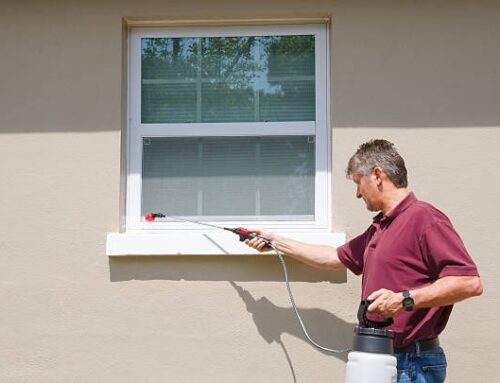
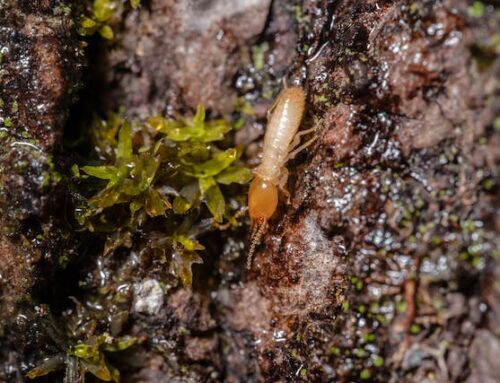
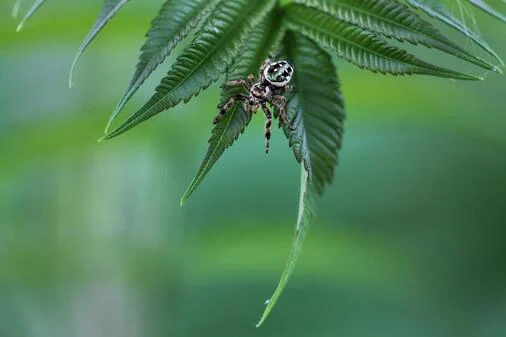
Wasps and hornets are not the only pests that can become active around the home. Ants, termites, cockroaches, spiders, mice, fleas, ticks, bed bugs, mosquitoes, and silverfish can also respond to food, moisture, shelter, and access points. A professional review helps separate the wasp concern from other activities that may be developing nearby.
Disturbance Can Trigger Defensive Behavior
Wasp nests should not be treated as harmless objects attached to a house or shrub. When the nest is disturbed, wasps may respond quickly. Trimming bushes, moving patio furniture, opening a shed, pressure washing, repairing siding, or clearing gutters can all bring people close to a nest before they realize it is there.
Common disturbance risks include:
- Landscaping work near shrubs, hedges, trees, or ground openings
- Roof, gutter, siding, or soffit repairs near active flight paths
- Children or pets moving quickly near a hidden nest
- Guests, delivery workers, or service providers using the same walkway
- Outdoor events that bring more movement near nesting areas
These situations are why inspection is important before the activity becomes urgent. A technician can evaluate flight paths, nest access, and nearby structural gaps before choosing the safest treatment approach. This is especially valuable when the nest is concealed or close to daily-use areas.
Moisture And Shelter Can Support More Pest Activity
Wasp nests often appear where shelter is available, but broader property conditions also matter. Overgrown vegetation, damaged trim, gaps around soffits, cluttered storage, damp exterior areas, and poor drainage can all create favorable pest conditions. Moisture does not cause wasps by itself, but it can support other pests and make the property more attractive overall.
Property conditions to review include:
- Leaking gutters, damp mulch, and drainage problems near the foundation
- Dense shrubs, vines, and tree branches touching the structure
- Cracks around siding, fascia, vents, and utility openings
- Stored materials, outdoor clutter, and low-disturbance corners
- Food waste, trash bins, and outdoor dining areas that draw insect activity
A closer look at moisture problems shows why water, shelter, and hidden spaces can support many pest issues. When wasps appear alongside moisture or structural gaps, the property may need more than nest removal. It may need prevention-focused recommendations that reduce repeat activity.
Professional wasp control also protects the home by confirming whether the nest is active, whether openings need attention, and whether follow-up is needed. That careful process is safer than waiting until activity spreads or someone is stung.
Make Nest Activity A Safer Problem To Solve
Wasp nests are easier to manage when they are inspected early and handled with the right equipment, timing, and strategy. For professional wasp control, hornet removal, ant control, termite control, cockroach control, spider control, mice control, flea and tick service, bed bug service, mosquito control, silverfish support, and related pest concerns, contact E&G Exterminators.