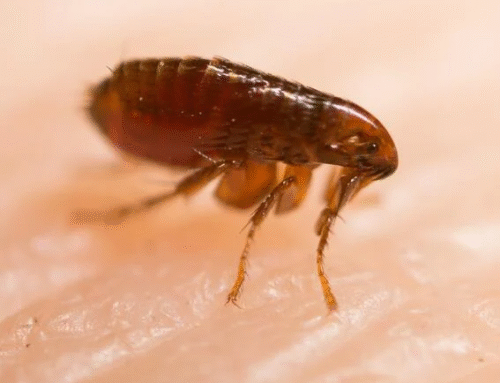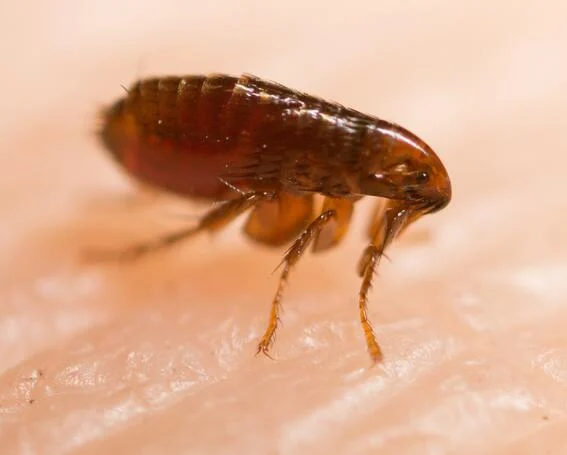


Summer brings more time outdoors, from backyard gatherings and gardening to pets using lawns and shaded areas more often. It also creates conditions that can increase tick activity, especially where vegetation, moisture, wildlife movement, and sheltered ground cover overlap.
Professional tick control prepares a yard by identifying the places ticks are most likely to remain, applying treatment where activity is concentrated, and reducing environmental conditions that support them. The goal is not simply to react after a tick is found, but to lower pressure before summer use reaches its peak.
This is especially important in New Jersey, where warm-season yard use can overlap with changing moisture, vegetation, and animal activity. A planned approach helps homeowners address likely habitat before recurring sightings become a larger concern.
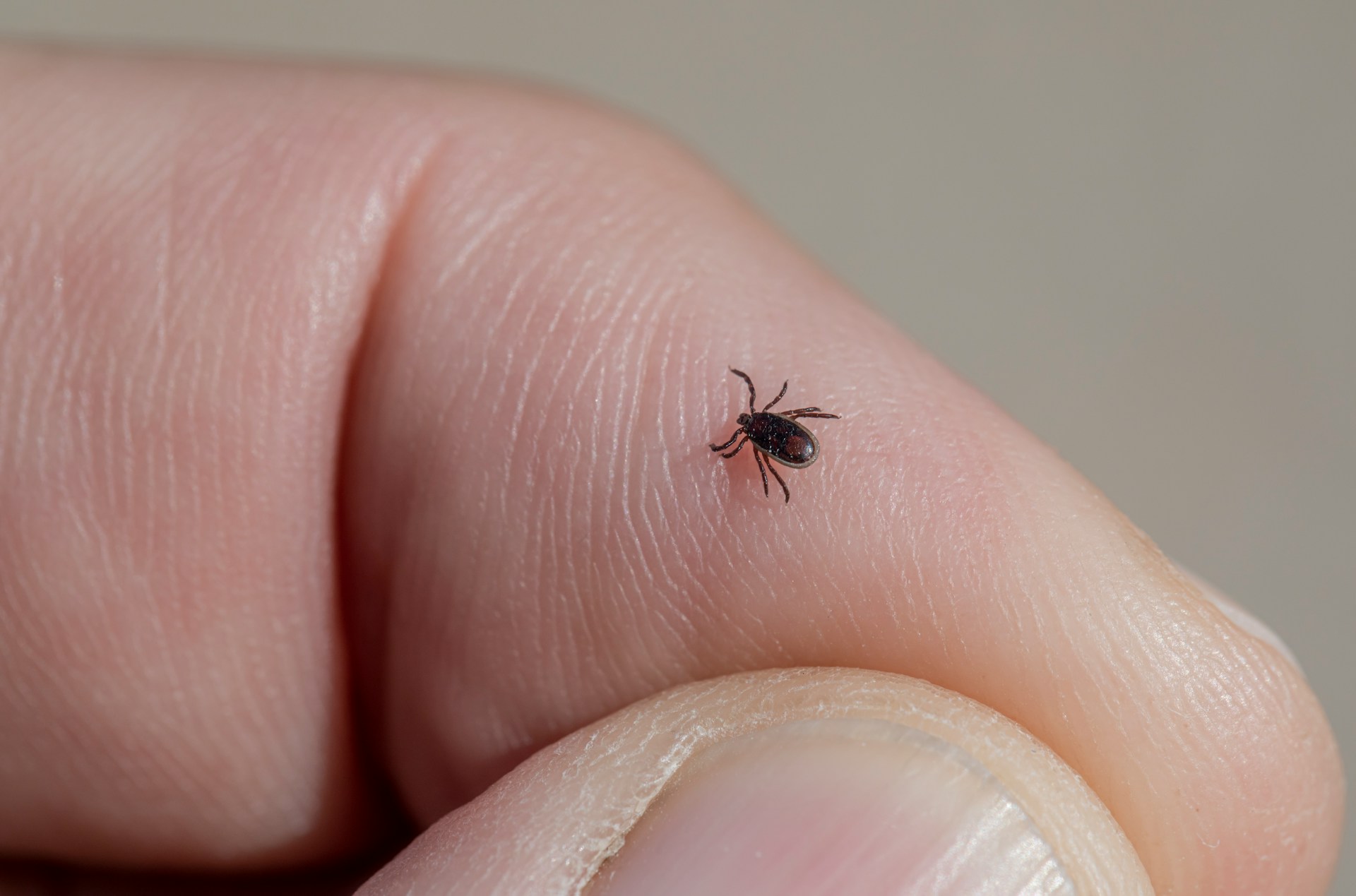
Start With A Detailed Inspection Of High-Risk Areas
A strong treatment plan begins with inspection. Ticks are rarely distributed evenly across an entire yard. They tend to concentrate in shaded, humid, protected areas where hosts such as rodents, deer, pets, or other animals may pass.
High-risk areas can include:
- Tall grass along fences and property edges
- Leaf litter beneath shrubs and trees
- Dense ground cover near patios or walkways
- Shaded areas that stay damp after rain
- Pet-resting zones close to vegetation
- Woodpiles or debris near lawn borders
A professional pest inspection helps connect visible signs with the conditions that support them. Knowing what to expect during a professional inspection also shows why technicians look beyond the spot where a tick was found and evaluate the broader property.
Targeted Treatment Works Better Than Broad Guesswork
Professional tick treatments are most effective when they are placed where ticks are likely to wait for hosts. Treating open, sunny turf the same way as shaded edges and dense vegetation can waste effort and leave more important zones under-addressed.
Technicians consider vegetation, moisture, animal movement, property boundaries, and how people use the yard before selecting treatment areas. This allows applications to focus on likely harborage instead of covering every surface equally.
Timing also matters. Treating before summer activity peaks can reduce tick pressure before children, pets, and guests begin spending more time outdoors. Follow-up may be recommended when seasonal conditions, wildlife movement, or recurring sightings suggest that activity is continuing.
Yard Maintenance Supports Professional Tick Control
Treatment works best when the property itself is less favorable to ticks. Moisture, overgrowth, and sheltered ground cover can create the humid microclimates ticks depend on.
Helpful yard priorities include:
- Keeping grass trimmed at a manageable height
- Removing excess leaf litter and plant debris
- Trimming dense vegetation along high-use areas
- Moving woodpiles away from patios and lawn edges
- Correcting drainage problems that keep soil damp
- Monitoring pet areas for recurring tick activity
These steps are not a substitute for treatment when ticks are already established. Instead, they make the yard less supportive and help professional tick control remain focused on the areas most likely to produce ongoing pressure.
Early Signs Can Reveal A Larger Tick Problem
Tick activity is often noticed late because a single tick on a pet or person may seem isolated. Repeated findings, however, can point to a larger issue around shaded turf, crawl-space edges, kennels, resting areas, or vegetation near the home.
Guidance on hidden flea and tick activity highlights why repeated pet scratching, ticks after yard time, or activity in several outdoor zones deserve closer attention.
Ticks can be carried into the yard by wildlife and pets, so a property may develop pressure even when the lawn looks clean and well-maintained. Professional evaluation helps determine whether the problem is localized or connected to several habitat zones.
Finding the source early gives homeowners more time to reduce risk before summer recreation becomes more frequent.
Long-Term Summer Protection Depends On Monitoring
Tick control should not end with a one-time application if conditions continue supporting activity. Weather, vegetation growth, rainfall, and animal movement can change quickly through summer, so monitoring helps determine whether treatment needs to be adjusted.
A complete professional approach may include:
- Inspecting shaded and high-risk areas before treatment
- Identifying likely tick habitat and host pathways
- Applying targeted treatment to active zones
- Recommending habitat changes that reduce moisture and shelter
- Rechecking areas where ticks were previously found
- Scheduling follow-up when pressure remains elevated
Professional oversight adds precision because the yard can be evaluated as conditions change. Technicians can compare fresh findings with earlier activity and adjust the plan rather than repeating the same treatment automatically. E&G’s current inspection guidance likewise emphasizes looking at pest evidence, entry points, moisture, shelter, food sources, and activity patterns together.
Preparing a yard before summer is about reducing the places where ticks can remain hidden and lowering the chance of repeated contact during outdoor use. When inspection, targeted treatment, habitat management, and follow-up work together, homeowners gain a more complete strategy than simply reacting after ticks appear.
Get The Yard Ready Before Tick Season Builds
If ticks are appearing around your lawn, pets, or outdoor spaces, contact E&G Exterminators for professional tick control focused on inspection, targeted treatment, habitat reduction, and follow-up.