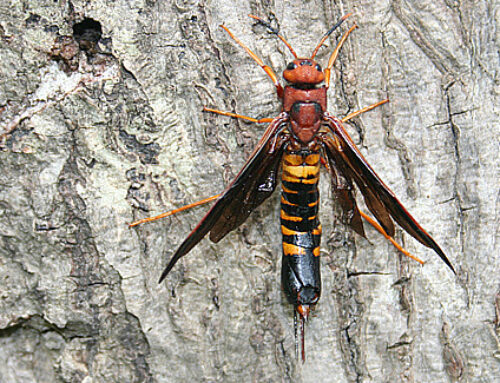


New Jersey weather creates a moving target for homeowners trying to keep pests out. Humid summers, wet spring conditions, cooler fall nights, and winter shelter-seeking can all change where insects and rodents are active. That is why pest plans built around seasonal changes are often more effective than waiting for a visible problem before scheduling service.
A quarterly approach gives professionals repeated opportunities to inspect the property, treat active areas, and adjust protection as conditions change. For New Jersey homes, common concerns can include ants, spiders, cockroaches, crickets, earwigs, ground beetles, centipedes, pill bugs, sow bugs, mice, grain pests, cicada killers, firebrats, fleas, silverfish, and stinging insects. Regular service keeps the focus on prevention instead of one-time reaction.

Seasonal Changes Create Different Pest Pressures
Each season can affect pest behavior differently. Warm weather may increase insect activity around foundations and landscaping, while cooler conditions can make garages, basements, wall voids, and other sheltered areas more attractive.
Quarterly visits help technicians watch for:
- Ants and cockroaches moving toward food and moisture indoors
- Spiders building webs where other insects remain active
- Crickets, earwigs, and ground beetles gathering near exterior entry points
- Mice testing garage gaps, utility openings, and foundation weaknesses
- Fleas or other pests becoming more noticeable during warm-weather periods
- Stinging insects building activity around structural areas during the warmer months
A detailed professional pest inspection can reveal these patterns before they become obvious. Inspection is valuable because not every pest problem starts where the first sighting occurs.
Quarterly Service Creates A Regular Prevention Rhythm
The main advantage of quarterly pest plans is consistency. A home is checked four times per year, giving technicians a chance to compare current conditions with what they saw during earlier visits. That makes it easier to spot changes in activity before they develop into larger infestations.
A quarterly program may include:
- Exterior maintenance visits during the warmer part of the year
- Interior service during colder months when pests may move indoors
- Follow-up service between scheduled visits when covered activity returns
- Treatment adjustments based on the pest, property, and season
- Entry-point review when mice or crawling insects begin testing weak areas
- Preventive applications designed to reduce recurring household pest pressure
This scheduled approach is especially useful in New Jersey because pest activity does not stop when one season ends. Instead, the dominant pressure changes. Summer insects may decline while mice become more active indoors. Spring moisture can bring different concerns than dry late-summer conditions.
Ongoing Monitoring Helps Match Treatment To Real Conditions
One reason pest plans matter is that the property itself changes. Landscaping grows, door seals wear down, moisture appears, storage patterns shift, and seasonal weather exposes new vulnerabilities. A home that needed little interior attention in summer may develop rodent pressure by winter.
Professionals may use each visit to:
- Recheck areas where activity appeared during the previous season
- Inspect door sweeps, vents, rooflines, and utility penetrations
- Review moisture around kitchens, bathrooms, basements, and exterior walls
- Monitor rodent signs such as droppings, gnawing, or nesting material
- Adjust treatment when pest pressure shifts to a new area
- Recommend follow-up when conditions suggest a higher-risk pattern
Seasonal changes in sensitive properties demonstrate why this matters. Guidance on seasonal pest shifts shows how changing weather can alter where pests seek food, water, warmth, and shelter. The same biological pressures can affect homes, even though the treatment plan should always be matched to the residential setting.
Quarterly service also helps prevent over-treatment. When technicians have a history of the property, they can see whether a recurring problem is actually getting worse or whether the activity is isolated. That makes treatment more precise and helps avoid unnecessary broad applications.
The strongest pest plans combine inspection, targeted treatment, prevention, and follow-up. They also leave room for adjustment. A home with repeated mouse activity may need more exclusion work, while another property may need more attention around ants, cockroaches, spiders, or moisture-loving insects.
For New Jersey homeowners, quarterly service offers a practical balance between constant intervention and waiting too long. It creates regular checkpoints through changing weather, gives technicians a chance to catch small problems earlier, and supports long-term prevention without assuming every season brings the same risk.
It also provides continuity. Instead of starting from scratch with every pest sighting, the technician already has context about previous activity, treatment areas, and property conditions. That history can make future decisions faster and more accurate.
The goal of a quarterly program is not to guarantee that no pest will ever appear. It is to reduce the conditions that allow pests to settle in, detect activity earlier, and respond before the problem becomes more disruptive. In a state with four distinct seasons and shifting pest behavior, that regular rhythm can make home protection much easier to manage.
Keep Your Home Prepared For Every Season
If you want year-round protection that adapts to New Jersey’s changing pest pressure, contact E&G Exterminators for quarterly pest plans built around inspection, targeted treatment, prevention, and follow-up.